Back to School Preparation: Your Family’s Blueprint for a Confident Start

Staples ads may get you excited to shop for the ‘most wonderful time of the year’ for parents. But, you need basic back to school preparation to make the transition as seamless as possible.
Getting ready for the school year isn’t just about new backpacks and sharpened pencils. It’s about giving your family a solid start, setting everyone up for less stress and better learning every day.
Whether your child is stepping into kindergarten, middle school, or high school, a little forethought now pays off big down the road.
Planning ahead shapes the whole year, builds confidence, and helps kids, parents, and teachers all get on the same page—literally and figuratively!

This post contains affiliate links that may generate a commission for purchases made through them. There is no additional charge to you for using them.
Essential Back to School Planning Steps
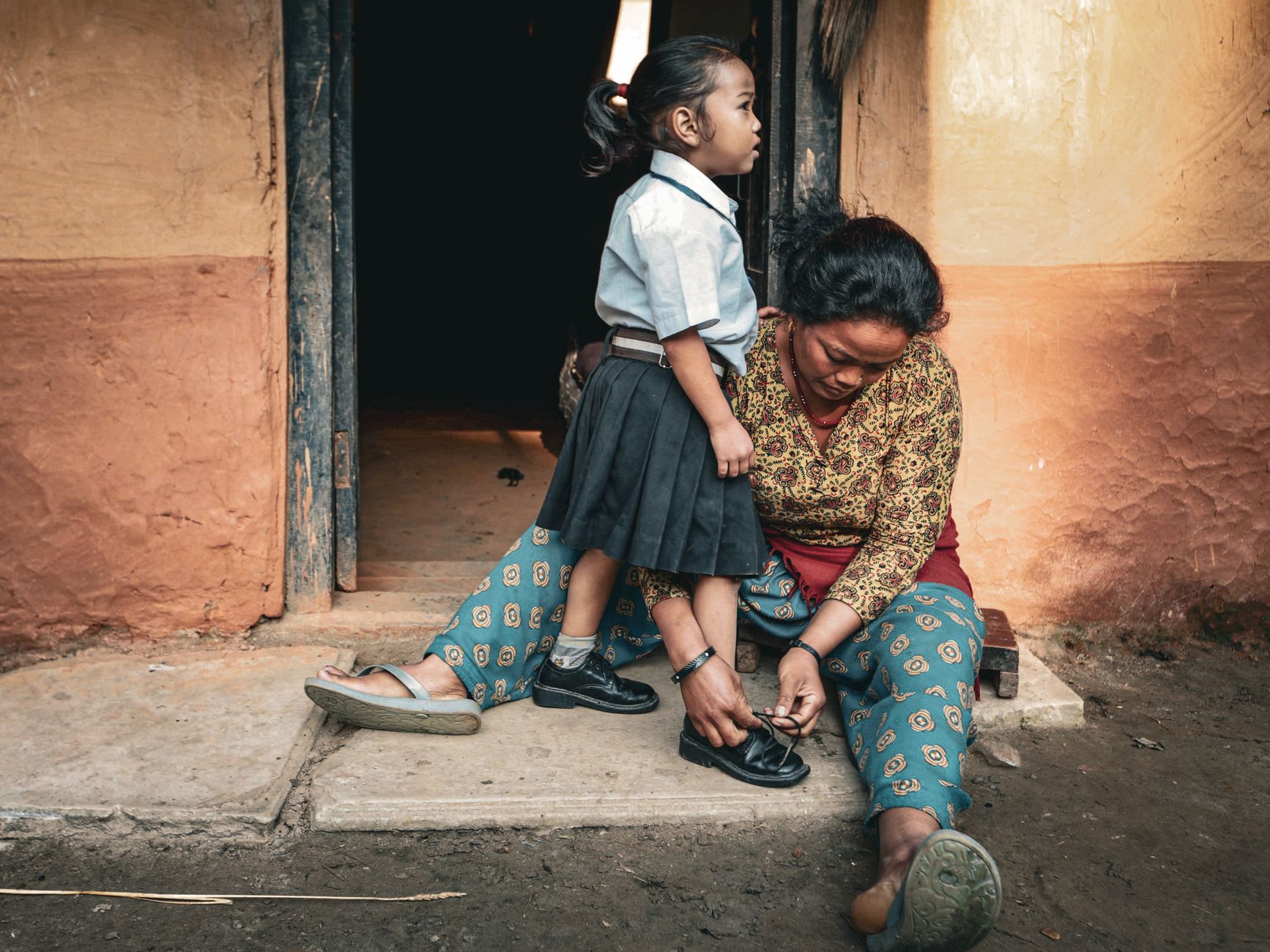 Photo by Mehmet Turgut Kirkgoz
A successful transition back to school hinges on more than a fresh set of supplies. Families set the tone for the year by tackling a few key steps together.
Creating and Organizing Schedules and Routines
Kids (and adults) thrive on routine. The shift from lazy summer days to early alarms can be a shock.

Here’s how to smooth that transition:
- Start adjusting sleep routines before school starts. Move bedtime and wakeup earlier by 10-15 minutes every other day.
- Organize after-school activities, sports, and chores on a big family calendar.
- Schedule quiet, screen-free reading time each night.
Getting a routine in place now cuts down on those chaotic mornings where everyone’s scrambling for shoes or homework.
Even a homeschooling family can benefit from a routine. Setting a start time for schoolwork can help create more free time later in the day.
Families find that a clear weekly plan not only lowers stress but also helps students settle into school expectations much faster.
For more tips on daily structure and family organization, the article on Back-to-School Tips for Families from HealthyChildren.org offers a practical jumpstart.
Reviewing Academic Readiness and Setting Learning Goals
Summer can be a sneaky time for learning loss, known as the “summer slide.”
Back to school preparation should include activities that encourage kids to maintain what they’ve learned.
Before classes begin, take stock:
- Review last year’s report cards and notes from teachers.
- Identify areas where your child could use a little refresher: reading, math facts, or writing. (Ideally, your child should be reading and doing practical math to keep their skills sharp!)
- Involve your child in setting realistic, exciting goals for the new year—whether it’s reading a certain number of books, improving handwriting, or mastering algebra.
If you have a child learning at home or considering a switch, browse a variety of homeschool curriculum options that match your child’s needs and pace. For those with teens, check out How to Homeschool High School (and Keep Your Sanity!) for tips and a round-up of past reviews.
For those still sending kids to a brick-and-mortar school, you may find some great ideas for helping guide their learning.
We have a ton of product and service reviews, perfect for homeschool families or those looking to supplement learning at home. These resources can help supplement weak spots or add enrichment in subjects your family loves.
Gathering Supplies and Creating a Back to School Checklist
Don’t wait until the night before to realize you’re out of glue sticks or that last year’s backpack has a mystery smell.

Get proactive about your checklist:
- Ask teachers for a supply list or check the school’s website. If you are homeschooling, look over what your curriculum requires.
- Involve your kids in sorting through last year’s leftovers. What can you reuse? What needs replacing?
- Don’t forget smaller supplies like spare socks for gym class or new lunch containers.
Saving money on school shopping is a bonus. Consider swapping supplies with neighbors or shopping during sales.
I’ve shared about how we set up learning spaces in the home. This includes what supplies to have on hand.
If you’re shopping Amazon Prime Days or hunting deals elsewhere, here are my favorite finds:
- Bento-style lunch boxes
- Dry-erase boards or family planners
- Affordable headphones for quiet study (I adore bone conducting headphones that let me still hear what is happening around me! I own Shokz, but saw some less expensive options on Amazon.)
- Book bundles (hello, homeschool heroes!)
- Instant Pot or Air Fryer (saves time & money!)
- Crockpots for batch meals (I bought a 10 quart one for my husband that works great for big dishes.) → don’t forget to grab my Crockpot Recipe Freebie
Promoting Lifelong Habits for Academic Success
Academic success is about more than acing tests. It’s about building healthy, sustainable habits that kids can carry from the first grade all the way through college and beyond.
Model these at home to help your children thrive.
Building Effective Study Skills and Organization
Ever notice how some students seem to manage schoolwork with calm and confidence? That’s not luck—it’s habit.

Here’s what helps:
- Set up a dedicated, clutter-free study space.
- Use a simple planner—on paper or digital—to track assignments and projects.
- Break big tasks into smaller steps and spread them out over several days.
- Encourage regular review instead of last-minute cramming.
For a step-by-step system designed with kids in mind, check out this detailed Victus study skills system review, which covers practical tools for better student organization and focus.
Fostering a Growth Mindset and Emotional Resilience
School isn’t always a smooth ride. There will be tough days, new subjects, and unexpected challenges.
What matters most is how kids (and parents) handle them:
- Praise effort and progress, not just grades. But, don’t go overboard with the praise, either.
- Make space for mistakes—then focus on “what can we try next time?”
- Keep the lines of communication open. Let your kids know it’s okay to share their worries.
- Model self-care and encourage downtime, especially during busy weeks. Sitting on the couch to ‘veg’ with Netflix or play a video game is okay in limited doses. Taking a stroll outside in nature or reading a good book will be even better.
One of my favorite ways to add joy: 💖 Love Coupons for Kids — simple gestures that show your child you care.
Building resilience is like giving your child an internal “reset” button. They’ll start seeing mistakes not as failures, but as learning opportunities.
Make a Plan for Fueling Bodies and Brains
We all know how hectic life can get. Even a homeschooling mom has days where you hit the ground running and don’t stop until bedtime.
Planning what to feed the kids is vital. We’ve all heard the saying ‘breakfast is the most important meal of the day.’

While starting your day is important, so is having a plan for lunch, dinner, and snacks.
I’ve found a combination of meal planning and putting kids in charge of some meals to be helpful for everyone in the family.
Looking for a few dishes that the kids can help make?
Here are a few favorites:
Hot Dog Casserole – Pantry-friendly and kids can help make it.
Gluten-Free Quiche with Spam and Cheese – A great dish for any time of the day. Serve with fruit at breakfast or a salad for lunch or dinner.
Mexican Chicken & Rice Casserole – this is easy to make as each part is tossed into the casserole. Bake it while helping with homework or other activities. It could even go into a crockpot if you need to leave the house.
Want help planning your meals and grocery lists?
📥 Grab my Weekly Meal Planner Spreadsheet to make planning so much easier. (I include links to many of our favorite dishes to get you started with planning.)
Start Back to School Preparation Today!
Back to school prep is less about “one big day” and more about small, thoughtful actions every day leading up to the first bell.
Whether you’re gathering supplies, starting bedtime routines, reviewing what your child learned last year, or simply opening up about hopes and worries for the months ahead, these steps build a confident, ready-to-learn mindset.
Start early, work together, and don’t sweat the small hiccups.
The habits you nurture now shape how your family takes on every new challenge—one school year at a time.
Looking for more tips to encourage learning at home? Explore these ideas for STEM learning through play to keep curiosity alive year-round.
Here’s to a school year filled with growth, laughter, and plenty of high-fives!