How to Build a Weekly Family Meal Plan That Won’t Blow Your Budget


Struggling to feed your family without overspending? Learn how to create a meal plan on a budget that saves money, reduces stress, and keeps everyone satisfied!
Planning meals for your family each week can feel like a juggling act, especially when you’re trying to stretch your dollars.
But, with a little strategy, you can create a meal plan that keeps everyone happy and your finances in check.

Plus, it’s a fantastic way to reduce food waste and make grocery shopping less stressful.
Keep reading for how you can establish an effective and budget-friendly meal plan your family will love.
Table of contents
Understand Your Family’s Needs and Preferences
The first step to successful meal planning is knowing what your family actually likes and needs.
A one-size-fits-all plan won’t work here.
Instead, you’ll want to tailor it to what works best for your household.

Photo by August de Richelieu
Identify Dietary Requirements
Does someone in your family deal with food allergies or have specific dietary needs? Perhaps one of you is vegetarian, or you’re watching your caloric intake.
These details are crucial when planning meals because they will impact not only what you cook but how you shop.
Incorporating budget-friendly protein sources like beans or lentils can cater to a vegetarian diet while keeping costs low.
Our family enjoys comforting options like lentil soup.

Prioritize Family Favorites
What’s the point of planning if no one wants to eat what you make?
Aim to include a handful of family favorites, tweaking recipes slightly to remain budget-conscious.
Love taco night? Switch out ground beef for more affordable (but still delicious) options like black beans or turkey. Or, supplement the seasoned ground beef with a cooked grain like millet to stretch the meat.
Including family favorites not only keeps everyone satisfied but also avoids the temptation of takeout, saving you even more cash.
Plan Budget-Friendly Meals Ahead of Time
Meal planning doesn’t have to be complicated. The more organized you are, the more likely you’ll stay within your spending limits.
Here are some practical ways to simplify planning.
TAKE CHARGE OF MEALTIME
Weekly Meal Planner
Meal planning can be a daunting task, but with the Weekly Meal Planner in spreadsheet format, it’s a breeze!
It comes with a list of meal ideas to help you plan breakfast, lunch, and dinner for the week ahead. Plus, you can put together your shopping list, so you can make sure you have everything you need.
The planner is the perfect way to make meal planning easy and fun!
Create a Weekly Framework
Setting a weekly meal outline makes planning a breeze.
Think theme nights like “Meatless Mondays,” “Breakfast-for-Dinner Wednesdays,” or “Slow Cooker Fridays.”
Themes give you a starting point, making it easier to plan around what’s already in your pantry.
If you’re looking for ready-made, stress-free solutions, consider using tools or digital downloads, like this weekly meal planner.
Shop Smart with Sales and Discounts
Before heading to the grocery store, check for weekly sales. Many stores offer apps or flyers highlighting discounts to help you make informed choices.
Need inspiration? Websites like Buzzfeed offer meal ideas featuring low-cost, sale-based ingredients.
Be mindful of bulk buying, though. It’s great if you can use all of it, but stocking up on perishable items can lead to waste, canceling out your savings.
Make the Most of Ingredients
Stretching your ingredients is the essence of budget planning.
By creatively reusing leftovers and batch-prepping meals, you can turn a single shopping trip into a week filled with variety.
Batch Cook and Freeze
Cooking in bulk isn’t just a time-saver—it’s a game-changer for your wallet.
Whip up big batches of recipes like soups, stews, or casseroles, and store them in individual portions.
Not sure where to start with leftovers?
Here’s a fantastic guide to making new meals out of leftovers.

Incorporate Seasonal and Local Produce
Seasonal ingredients aren’t just fresher—they’re typically cheaper.
When strawberries or squash are in season, they’re abundant, which drives down the price.

Local farmers’ markets can also be an excellent resource for fresh produce at a fraction of grocery store costs.
Embrace Budget-Friendly Meal Planning
Crafting a budget-friendly family meal plan doesn’t need to feel overwhelming. Start small by understanding your family’s needs, researching affordable recipe ideas, and capitalizing on sales and seasonal items. Tools can make meal planning accessible and fun, even for the busiest families.
Remember, the goal isn’t perfection—it’s progress. By consistently planning smartly, you can ease the stress of dinnertime, save money, and bring more family togetherness to the table. So, what’re you waiting for? Open up your pantry, jot down some ideas, and get planning!
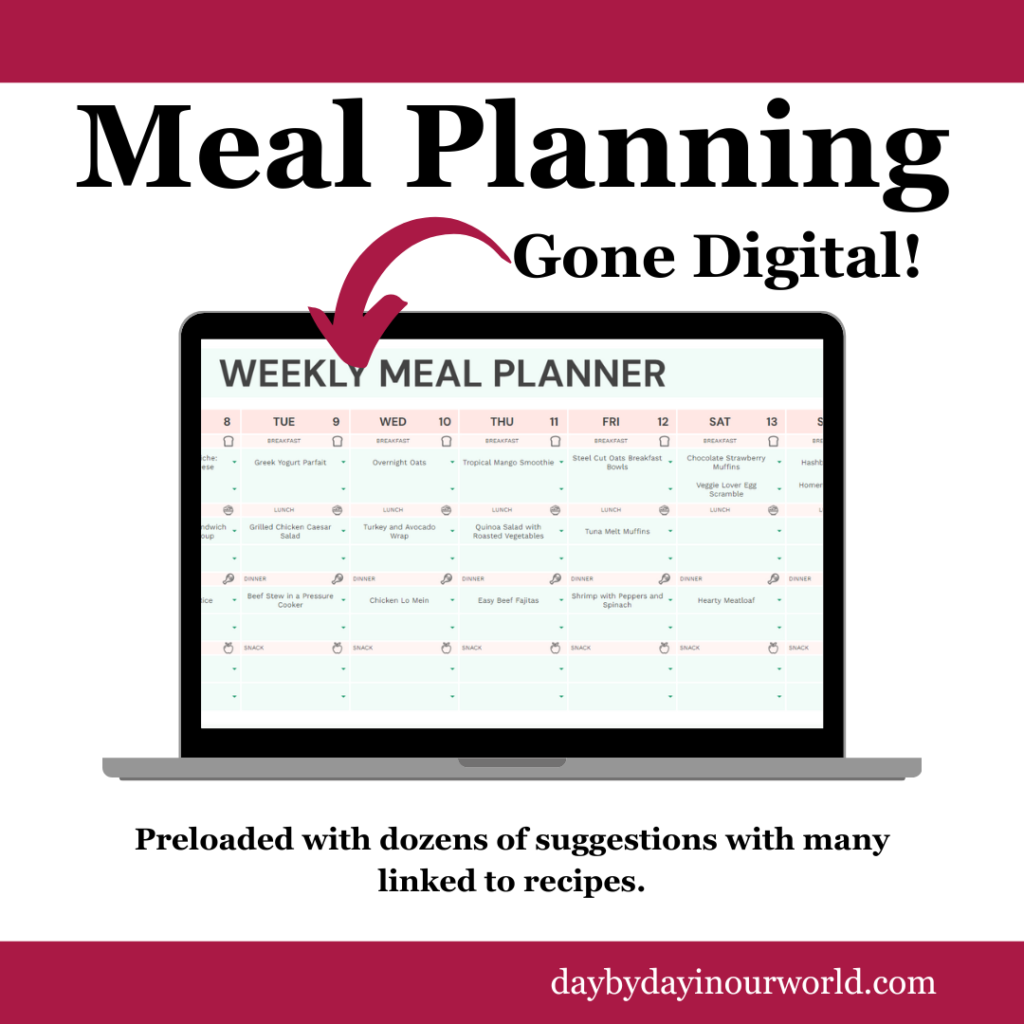
Simple Meal Planning Spreadsheet
Simplify your meal planning with our basic spreadsheet.
Links to several recipes are included!