Emergency Funds 101: Why Every Family Budget Depends on Them and How to Get Started

Personal financial management may seem scary, but is crucial for family life. Creating an emergency fund is one part of financial well-being. We’ll talk about the fund and how to implement it in your life.
Living paycheck to paycheck can feel like walking a financial tightrope, where one unexpected expense threatens to throw everything off balance.
I’ve been there, done that and prefer to not play the “who to pay this month” game.
That’s why having an emergency fund is so important for families. It’s your safety net when life throws you a curveball.
Whether it’s covering an unexpected medical bill, a surprise car repair, or even surviving a sudden loss of income, an emergency fund helps protect your family’s financial well-being without resorting to credit cards or loans.
Building an emergency fund may seem overwhelming, especially if every dollar in your budget is already spoken for.
The good news? Starting small is okay, and even a few hundred dollars can make a huge difference.
Setting up this financial cushion isn’t about perfection; it’s about progress.
If you’re unsure where to start, consider reviewing tips on how financial goals in your 20s and 30s can lead to long-term security for your family.
Table of contents
What is an Emergency Fund and Why is it Essential?
Life loves surprises, doesn’t it?
Unfortunately, not all surprises are the kind that make you smile. Whether it’s a broken down car, an unexpected hospital bill, or an unanticipated job loss, emergencies are inevitable. When they happen, having an emergency fund ready to go can feel like having a life jacket in the middle of a storm.
An emergency fund isn’t just a backup—it’s a lifeline for financial stability. The peace of mind it offers is priceless, especially for families navigating tight budgets.
Defining an Emergency Fund
In its simplest form, an emergency fund is money set aside specifically for unexpected events. Think of it as your financial safety net — funds designed to cover urgent expenses without derailing your day-to-day budget.
This isn’t the same as savings for a vacation or a new gadget; it’s specifically reserved for events that can’t be planned for.
The goal is to ensure you’re not left scrambling for cash or relying on high-interest credit cards when life throws you a curveball.
The standard recommendation is to have at least three to six months’ worth of living expenses saved up, but the most important thing is to start—no matter how small. Even a few hundred dollars can make a big difference.
For tips on structuring savings and building strong financial habits, take inspiration from games like the Feed the Pig Game that highlight the value of financial planning in fun and relatable ways.
Common Scenarios an Emergency Fund Covers
Emergencies come in all shapes and sizes.

Below are some of the most common situations where an emergency fund can step in and save the day:
- Medical expenses: Whether it’s an unplanned doctor visit or a hefty hospital bill, medical emergencies can be financially devastating.
- Car repairs: Mechanical issues tend to crop up at the worst times—your car breaks down just when you can’t delay getting to work.
- Home fixes: Think burst pipes, roof leaks, or furnace breakdowns in the middle of winter.
- Job loss: Losing your income can throw your family into chaos, but an emergency fund can bridge the gap while you search for new work.
- Family emergencies: Travel costs for a funeral or urgent last-minute needs can easily strain your wallet.
Having savings ready for these moments helps shield your family from the stress of deciding between paying an emergency bill or making ends meet elsewhere.
For more insight into aligning financial goals, take a look at this article on financial accomplishments.
Why Every Household Budget Needs One
Having an emergency fund transforms how you manage money. Instead of relying on credit cards, payday loans, or borrowing from friends and family, you can handle surprises without accumulating debt. This is a game-changer for families already walking a tightrope with their monthly budget.

Here’s why every household should prioritize one:
- Reduces stress: Money worries can eat away at your mental health. Knowing you’ve got a safety net can ease the tension.
- Prevents debt: No one wants to spiral into high-interest credit card debt because of an unexpected bill.
- Financial independence: An emergency fund allows you to handle crises without needing external help, giving you more control over your finances.
- Focus on priorities: With an emergency fund, your monthly budget remains intact, making it easier to stay on track toward goals like saving for retirement or a child’s education.
For a deeper understanding of why emergency funds are critical for long-term financial health, check out this resource on the importance of having emergency savings. It explains how to avoid relying on costly loans during difficult times.
An emergency fund may not solve all your financial challenges, but it’s a crucial step toward stability. It’s about being prepared for whatever life might throw your way, ensuring you’re not just surviving but thriving financially—despite the surprises.
How to Start Building an Emergency Fund
Creating an emergency fund might seem daunting at first, especially if you’re living paycheck to paycheck. But don’t let that discourage you. Building this financial safety net is entirely within reach if you approach it step by step.
With just a little planning and consistency, you can protect your household budget from unexpected surprises. Here’s how to start.
Set Realistic Savings Goals
The first step in building an emergency fund is deciding how much you need to save.
As stated, experts recommend an emergency fund has three to six months’ worth of living expenses.
But what does that mean for your family?
Start by calculating your monthly essentials:
- Housing costs (rent or mortgage payments)
- Utilities (electricity, water, internet, etc.)
- Food and groceries
- Transportation (gas, car payments, insurance)
- Health-related costs (insurance, prescriptions)
Once you have a clear idea of your monthly expenses, multiply that by the number of months you want to cover.
For example, if your monthly essentials total $3,000, you’ll eventually want an emergency fund of $9,000 to $18,000.
But remember—it’s okay to start small. Setting an initial goal of $500 or $1,000 can put you in a much stronger financial position than having no emergency fund at all.
Small victories add up over time, providing the motivation to keep going.
Looking for ways to work financial goals into your routine? Check out these habits for personal growth that can help you establish a stronger financial foundation.
Start Small and Automate Savings
Let’s face it—saving money isn’t always easy, especially when funds are tight. The key is to start with small, consistent contributions that won’t overwhelm your budget. Regularity beats size when it comes to saving money.
Here’s how to set it up:
- Open a dedicated account: Set up a separate savings account for your emergency fund to keep it out of sight and reduce the temptation to dip into it.
- Automate savings: Use your bank’s automation tools or apps to transfer a small amount from your checking to savings automatically each payday. Even $10 or $20 a week can grow into something meaningful over time.
- Take advantage of small windfalls: If you receive a tax refund, bonus, or any unexpected money, put part of it directly into your emergency fund.
This “out of sight, out of mind” approach helps ensure the habit sticks without you relying solely on willpower.
For a deeper dive into strategies, visit this guide to building an emergency fund for extra tips on automatic savings methods.
Cut Unnecessary Expenses
If you’re wondering where the funds for your emergency savings will come from, take a closer look at your spending. Chances are, there’s some wiggle room in your budget if you’re willing to make minor adjustments.
Here are a few places to find extra cash:
- Streaming services: Are you paying for platforms you rarely watch? Cancel or pause subscriptions you don’t need. Some call it the ‘streaming shuffle’ with only the platform you’ll use being paid for that month.
- Dining out: Cook more meals at home instead of grabbing takeout—it’s healthier and easier on your wallet.
- Impulse purchases: Delay non-essential buys. If you still want it after 30 days, then consider it.
- Energy savings: Turn off lights, unplug devices, and use energy-efficient settings on home appliances. Every little bit adds up.
Redirect the money you save in these areas straight into your emergency fund. You might be surprised how quickly small sacrifices can add up to substantial savings.
Bankrate offers additional insights on starting an emergency fund if cutting expenses feels overwhelming at first.
Utilizing Budgeting Tools
Keeping track of your spending and savings goals is much easier with the right help. Budgeting tools and apps can streamline the process for you, keeping you accountable and on track.
Here’s a quick list of popular tools to consider:
- Mint (free): This app helps you create budgets, track your spending, and visualize savings goals in one place.
- YNAB (You Need a Budget) ($): Great for zero-based budgeting, where every dollar has a purpose.
- EveryDollar: User-friendly and designed for quick monthly budgeting.
- Spreadsheet budgeting (free or paid!): If you like to keep things simple, a Google Sheet or Excel spreadsheet is a fantastic option for DIY budgeting.
By regularly monitoring your budget, it’s easier to spot areas where you can cut back or increase contributions to your emergency fund. For families just getting started, Better Money Habits provides practical tips on jump-starting your savings.
Budgeting is about progress, not perfection. Pick a tool or method that works best for your family and stick with it—it’s the best way to see your emergency fund grow over time.
Starting an emergency fund is within reach for every household, no matter your current financial situation. By setting realistic goals, automating contributions, trimming unnecessary expenses, and using budgeting tools, you’ll establish a financial cushion that provides peace of mind when life’s unexpected moments arrive.
Maintaining and Growing Your Emergency Fund
Building an emergency fund is a significant achievement, but the work doesn’t stop there. Maintaining and growing your fund is just as important.
Life circumstances, inflation, and unexpected expenses can all take a toll if you’re not consistently managing this financial safety net.
Here’s how to keep your emergency fund in shape and maximize its potential.
Reassess Regularly
An emergency fund isn’t a one-and-done effort—it needs occasional checkups to stay effective. Life is constantly changing, and so are your financial needs. Maybe your family has grown, you’ve moved to a more expensive area, or your income has changed. These factors all impact how much you should have saved.
Make it a habit to review your emergency fund at least once a year. Ask yourself:
- Does the fund account for your current living expenses?
- Are there new potential emergencies to consider, like daycare costs or home maintenance expenses?
- Has inflation affected the amount you’d need during a financial crisis?
By reassessing regularly, you can make adjustments to ensure your emergency fund stays aligned with your real-life needs. If you’re looking for ways to cultivate consistent personal growth, check out these top habits for personal growth.
Avoid Temptations to Use It Unnecessarily
Let’s be real—having a stash of cash can be tempting, especially when you notice something shiny like a new gadget or a weekend getaway sale. But remember, the emergency fund is strictly for emergencies. Dipping into it for non-essential purchases can leave you vulnerable when real issues arise.
Here’s how to maintain discipline:
- Create a clear definition of an emergency: Before spending a dime, ask yourself if the expense is unavoidable and truly urgent. If it’s something you can delay, it’s not an emergency.
- Separate accounts: Keep your emergency fund in a savings account that’s harder to access, like one without a debit card or check-writing privileges.
- Mental barriers: Think of your emergency fund as off-limits—imagine it’s like borrowing money from a strict lender who won’t take no for an answer!
Discipline is key. The more you resist using your emergency fund unnecessarily, the better prepared you’ll be for genuine emergencies. For some practical strategies to develop better financial habits, explore these habits for personal growth.
Replenish After Using
Life happens, and at some point, you might need to dip into your emergency fund. That’s what it’s there for! But once the crisis resolves, the next immediate priority is to rebuild the balance as quickly as possible.
Think of it this way: if your car breaks down and you use your fund to repair it, consider this a shift in focus from general savings to recovery mode. Even small steps can help rebuild it faster:
- Restart automated savings contributions: If you paused them, turn them back on. Automation ensures you’re gradually replenishing the balance without extra effort.
- Direct extra income: Got a tax refund, bonus, or side gig earnings? Funnel those straight into the fund.
- Set a recovery timeline: Make a plan to replenish the savings within a specific timeframe.
I’ve found it can be very challenging to replenish the emergency fund quickly. Thank goodness, I can go at a manageable pace if needed. The key is to replenish it as quickly as possible.
Treat this process like a health checkup for your finances. You shouldn’t ignore a weak point in your health—don’t ignore it in your financial safety net, either.
Invest Surplus Savings Strategically
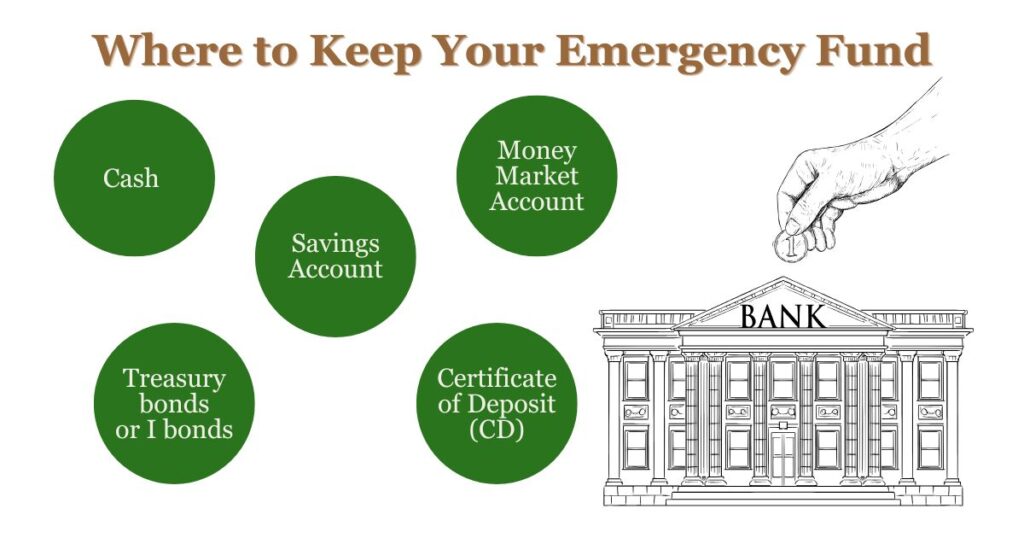
Once your emergency fund is fully stocked (typically enough to cover three to six months of living expenses), it’s wise to make your money work for you.
Let’s talk about what to do with surplus savings beyond the emergency fund limit.
Here are a few low-risk investment options to consider:
- High-yield savings accounts: These accounts can provide a better return on your cash while keeping it liquid in case you need access.
- Certificates of deposit (CDs): Offer higher interest rates than regular savings accounts if you can leave the money untouched for a set period.
- Money market accounts: These are a balanced option with slightly higher interest rates and easy access to funds.
- Treasury bonds or I bonds: Backed by the U.S. government, these are ultra-safe options that protect against inflation.
However, keep in mind that this surplus should still be accessible in case circumstances change.
For more insights into finding the right balance between savings and emergency preparedness, check out consumer finance recommendations that guide strategic saving practices.
By putting your surplus funds to work strategically, you ensure that your money is not only there for emergencies but also growing steadily over time. Smart investments can enhance your financial resilience without compromising immediate security.
Get Started with an Emergency Fund Today!
Financial peace of mind starts with preparation, and an emergency fund is your first step toward achieving it. Life’s unpredictability doesn’t have to derail your family’s financial stability. Even small contributions add up, giving you a buffer against unexpected expenses and reducing the stress that comes with living paycheck to paycheck.
Start today by setting a manageable goal and finding ways to consistently save. Whether it’s trimming non-essential expenses or automating bank transfers, the key is to take that first step. Remember, progress is more important than perfection.
For more ideas on simplifying your finances and staying on track, take a look at how to gain control over your finances. Taking charge now sets the stage for a more secure future for your family. Ready to begin? Start building your emergency fund today—your future self will thank you.