Exploring Louisiana’s River Parishes: Stories, History, and Life Along the Mississippi
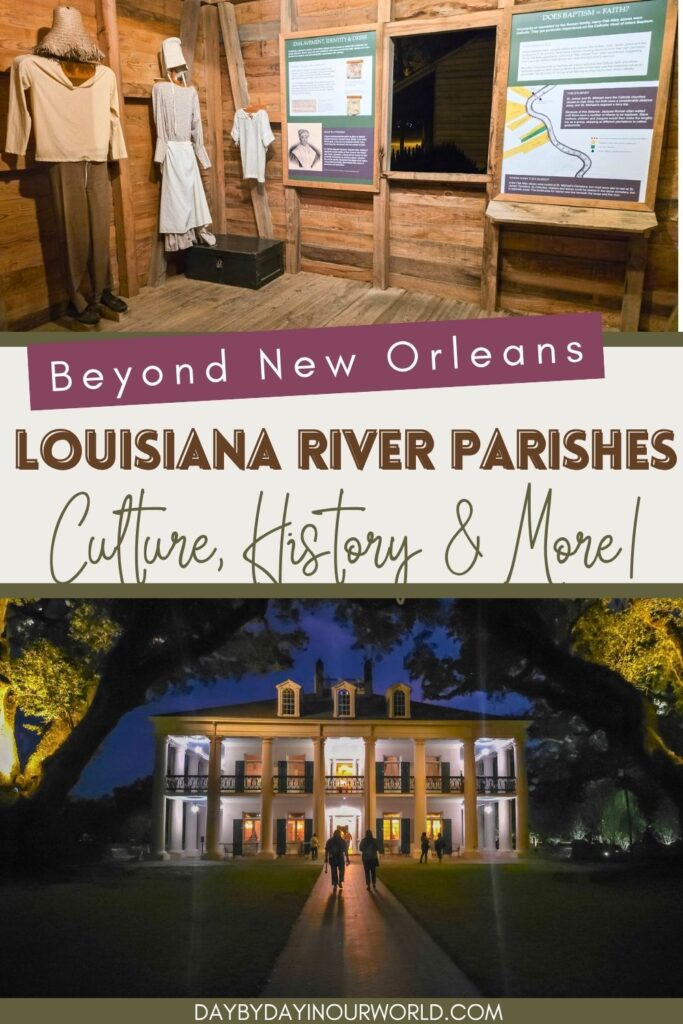
Growing up in Slidell on Louisiana’s Northshore, I spent plenty of time around the food, traditions, and culture that make this state distinct. We had trips to New Orleans and a few toward Baton Rouge. Somehow, though, I had never truly explored the River Parishes.
That changed recently when I spent time along the stretch of the Mississippi River between New Orleans and Baton Rouge. What I found was more than a scenic corridor. It is a region where Louisiana’s story feels especially concentrated, shaped by the river, rooted in layered cultures, and still very much alive today.
If you’ve ever driven this route and assumed it was just a pass-through, it is worth slowing down. The River Parishes, generally considered to include St. Charles, St. James, and St. John the Baptist hold far more than what you see from the highway.
Understanding the River Parishes
One of the first things that stood out to me is that this region doesn’t fit neatly into the broader narrative of the American South.
The River Parishes developed under French and Spanish rule, and that influence still shows up in everything from architecture to religion to daily life.
Catholic traditions run deep here. So do the cultural contributions of Creole communities, free people of color, enslaved Africans and their descendants, and Native American groups.
The Mississippi River shaped all of it.
Before modern roads, the river was the main route for trade and travel. It determined where plantations were built, where towns developed, and how wealth moved through the region.
The local economy was dominated by sugarcane, not cotton, creating a different kind of agricultural landscape than much of the South. Maps from before the Civil War show the plantations with their crops of sugarcane lining the Mississippi up toward Baton Rouge.
That history brings beauty, but it also carries weight. Throughout my visit, guides and historians emphasized the importance of telling the full story.
The homes and churches are striking, but they exist alongside a legacy that requires honest attention. Many of the owners made their fortune through the enslavement of others.
That perspective stayed with me at every stop.
A Stop at Poche Plantation
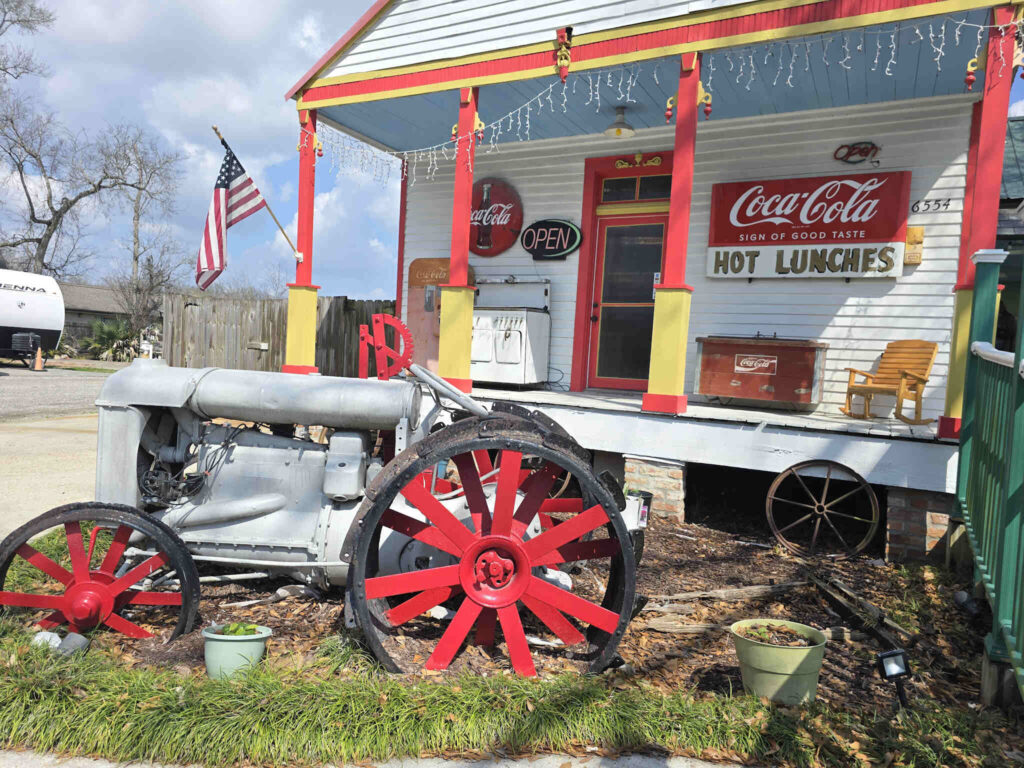
My first stop was Poche Plantation in Convent.
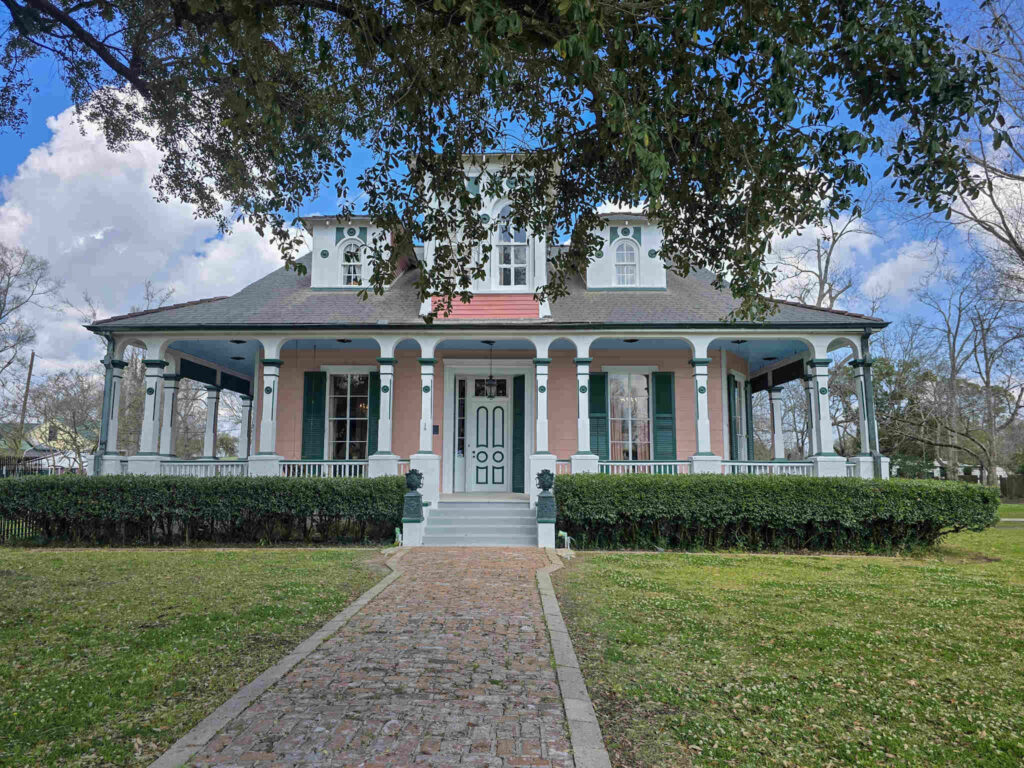
While sugarcane may have been grown on the property, Poche was built in 1867 after the Civil War had ended. Unlike some larger plantation properties, it feels more personal. The home was built for Judge Felix Pierre Poché, a 19th-century attorney, judge, and civic leader known for his role in Louisiana’s legal and political history. In 1892, he sold it to Judge Henry Himel.
What stood out most wasn’t just the architecture, but the stories. We heard about community gatherings, post–Civil War life in St. James Parish, and the families who lived and worked there across generations.
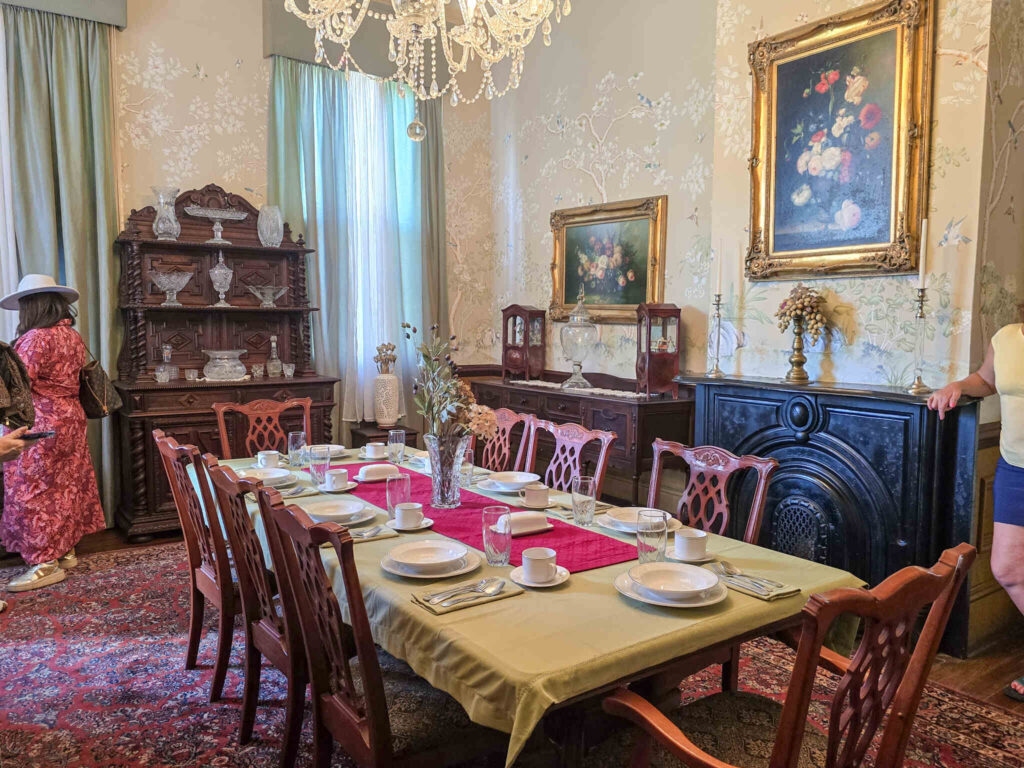
There’s also a practical side to Poche that travelers will appreciate. Today, it operates as a bed-and-breakfast. On the property is an RV park as well. These options make it a comfortable base for exploring the region.
A small cafe, the Crevasse Restaurant, sits on the property where we enjoyed a delicious lunch. The options were limited for me being gluten free. As I visited on a Friday in Lent, I basically had one choice: a salad topped with shrimp.
St. Michael the Archangel Church
A short distance away you will find St. Michael the Archangel Church.

The parish dates back to the early 1800s, with roots that reach even further into Louisiana’s Catholic history. Inside, the church holds historic artwork, religious artifacts, and one of the oldest pipe organs in the country.
The church preserves stories of the local community, including the contributions of free people of color and generations of parish families whose faith shaped the region. Behind the main altar, the Lourdes grotto provides a quiet place for reflection, still used today. Outside, you can walk through the cemetary.
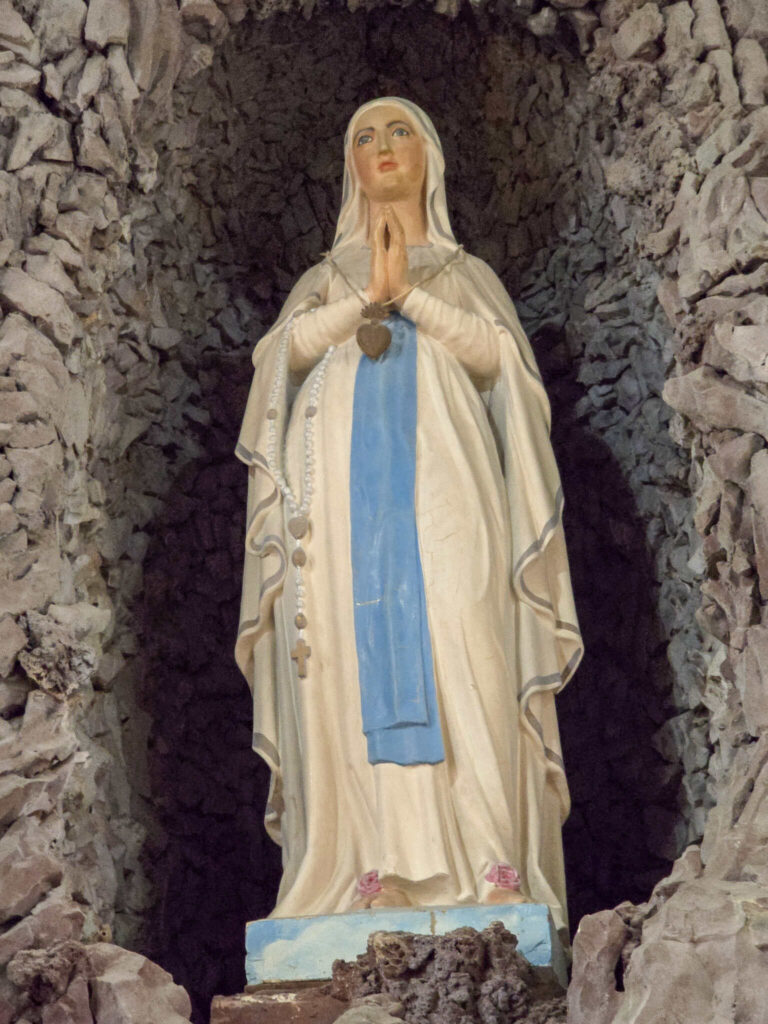
As someone who shares that faith background, I appreciated seeing how seamlessly history and daily life intersect here. This isn’t just a preserved site. It’s an active part of the community.
An Evening at Oak Alley
No visit to the River Parishes feels complete without seeing Oak Alley Plantation.
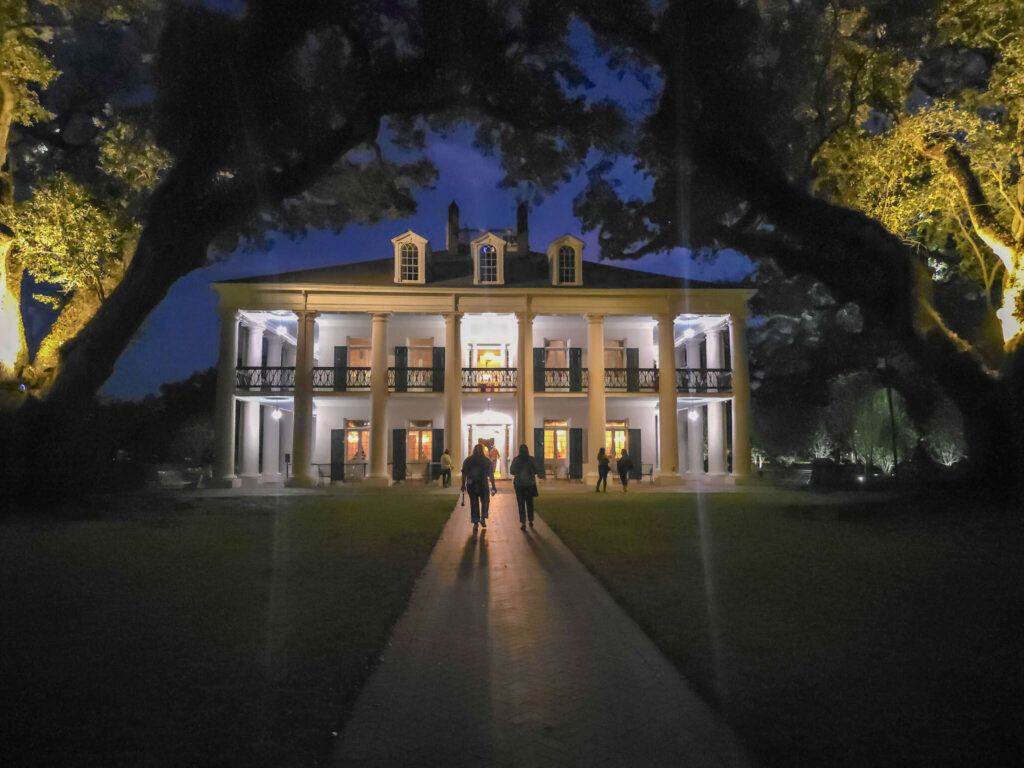
The double row of live oaks is as striking in person as it is in photographs, especially in the softer light of evening. But like many places in this region, Oak Alley invites you to look beyond the surface.
In recent years, the site has expanded how it tells its story, placing greater emphasis on the lives of the enslaved people who built and sustained the plantation.
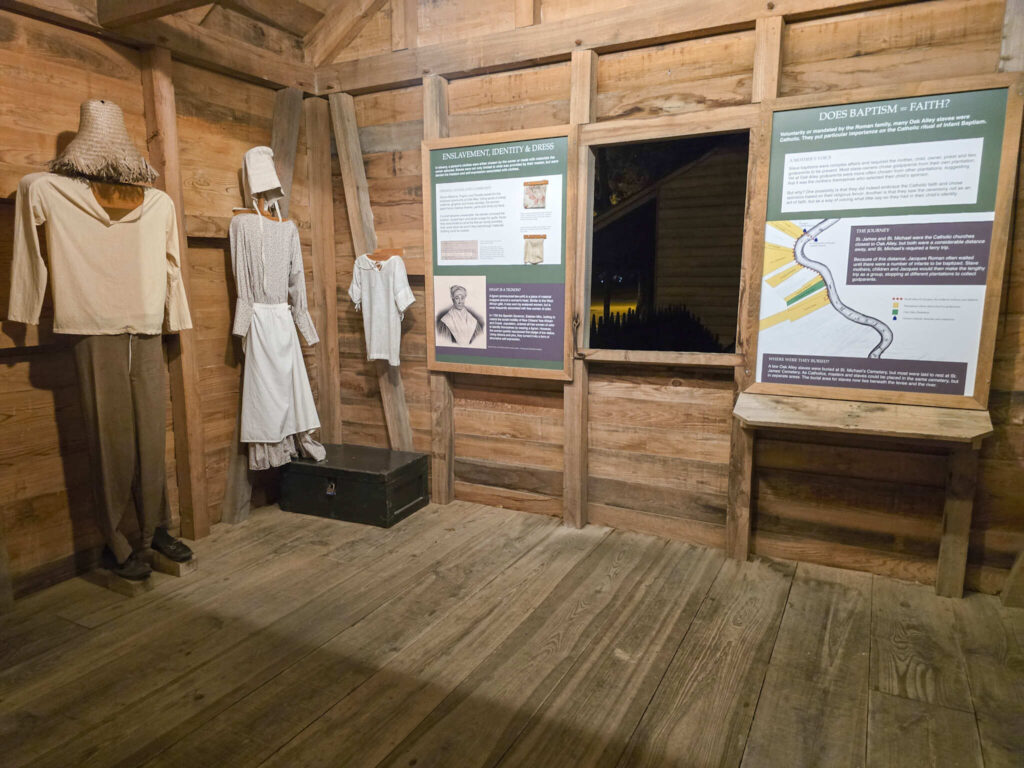
Walking the grounds, it’s difficult not to think about the contrast between the landscape’s beauty and the history tied to it.
It’s a place that leaves an impression, but not always in the way you expect.
Life Along River Road
At Felicity and St. Joseph Plantations, that connection between past and present becomes even more visible.

St. Joseph began as a wedding gift from Francois Gabriel “Valcour” Aime to his daughter, Josephine. Neighboring Felicity was a wedding gift to his daughter, Felicity.
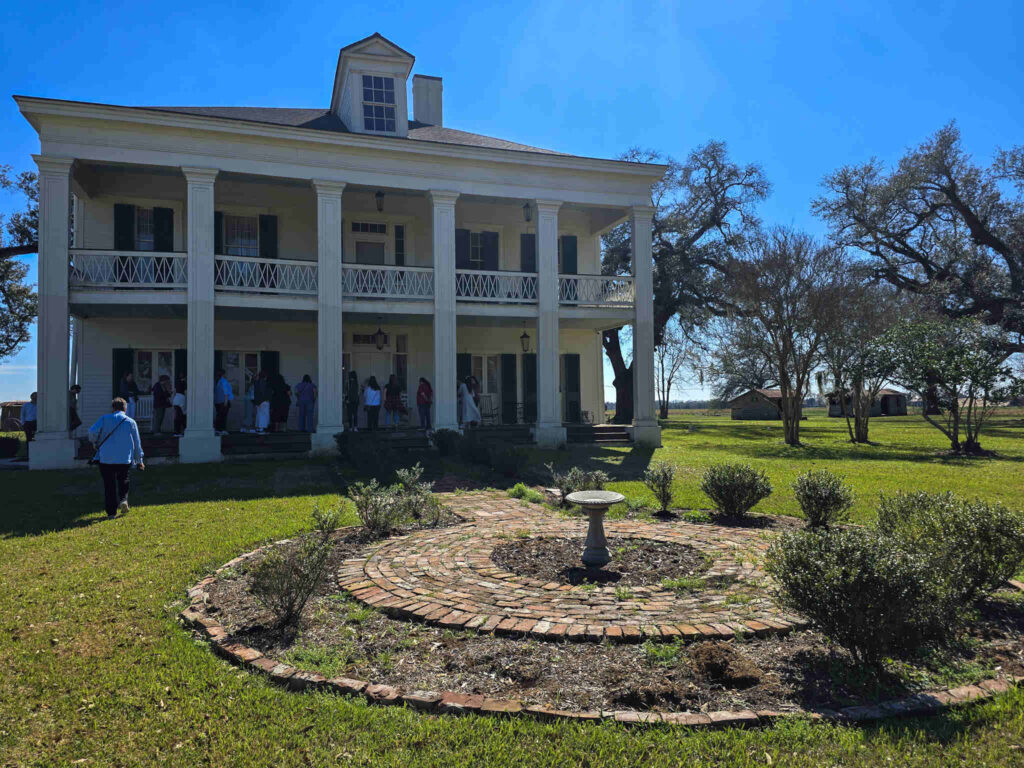
The Civil War was not kind to Aime’s daughters, forcing the sale of property. St. Joseph was purchased by Joseph Waguespack in 1877 and then Felicity was purchase by Jean Saturnine Waguespack. The properties were merged under one entity, the St. Joseph Planting and Manufacturing Co., LTD in 1901.
The homes have remained in the same family since the turn of the 20th Century. Touring it provides insight into both historical plantation life and the realities of maintaining a working farm in modern Louisiana.
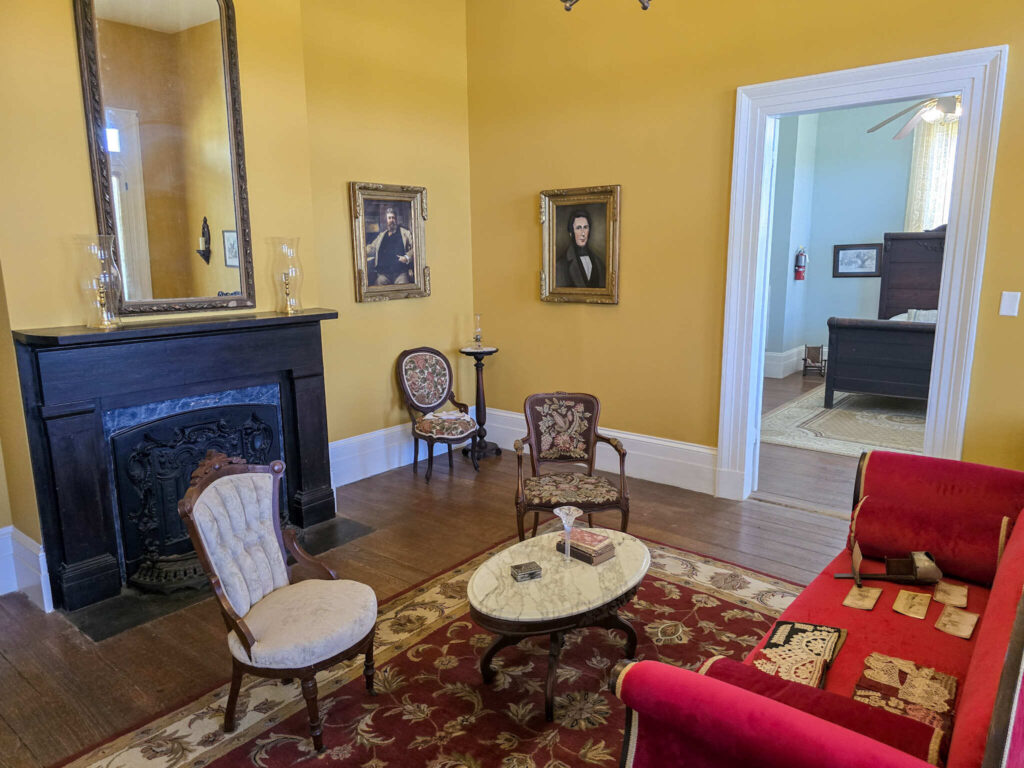
Unlike many historic properties, St. Joseph is still a working sugarcane plantation. The same land that once defined the region’s economy continues to produce today, offering a more complete picture of how agriculture still shapes life along the river.
Together the properties help tell a broader story about families, land, and long-term continuity in the River Parishes.
For some visitors, these places may also feel familiar in another way. The region has served as a backdrop for numerous film and television productions, thanks to its preserved landscapes and architecture.
Read more about my visit to Felicity and St. Joseph Plantations.
More Than Historic Homes
It would be easy to describe the River Parishes as a collection of plantations and churches, but that misses the bigger picture.
This region is just as much about living culture as it is about preserved history.
It is in the food, from gumbo to seafood to meals built for gathering. It is in traditions like the Christmas Eve bonfires along the levee. It is in church parishes that have anchored communities for generations. It is in the rhythm of river life and the stretch of sugarcane fields that still define the landscape.
Most of all, it is in the stories, complex, layered, and often difficult, but essential to understanding Louisiana as a whole.
This trip only scratched the surface.
There is more to explore here, more sites, more conversations, more context to uncover. It is also the kind of place that lends itself to a slower pace of travel, where stopping often matters more than covering distance.
Plan Your River Parishes Visit
The Louisiana River Parishes sit between New Orleans and Baton Rouge, which makes them an easy day trip or a very satisfying weekend escape. This is a region best experienced slowly, with time to step off the highway and notice the history, faith, architecture, and river views that shape the landscape.
Visitors will find historic plantations, Catholic churches, museums, local restaurants, and scenic stretches of River Road. But what makes the area memorable is not just the sights themselves. It is the way each stop adds another layer to the larger story of the region.
This post contains affiliate links that may generate a commission for purchases made through them. There is no additional charge to you for using them.
Oak Alley Plantation, where the iconic live oaks are as striking in person as they are in photographs. You can also book an overnight stay in a cabin on the property allowing you to meander under the live oaks.
St. Joseph Plantation, a working sugarcane plantation that offers a look at both plantation history and modern agriculture.
Felicity Plantation, the sister property to St. Joseph and another site that speaks to the region’s deep agricultural roots.
Poche Plantation, a historic bed-and-breakfast with stories tied to St. James Parish history and the people who shaped it.
St. Michael the Archangel Church, a beautiful historic Catholic church with one of the oldest pipe organs in the country and a remarkable Lourdes Grotto.
If you visit, give yourself enough time to linger. The River Parishes are not just a route between two larger cities. They are a place worth exploring on their own.
One Visit May Not Be Enough
I found myself wishing my sons had been with me. The River Parishes offer something that goes beyond sightseeing. They create opportunities to see history up close, ask better questions, and understand how the past continues to shape the present.
Sometimes the most meaningful trips are not about checking off landmarks. They are about leaving with a deeper sense of place.
The Louisiana River Parishes do exactly that, and they are well worth stepping off the highway to experience.