Decluttering for Lent: A Step-by-Step Guide to a Simpler, More Faithful Life


Lent offers us a unique opportunity to reflect, grow, and renew not just spiritually but in our daily lives. For many Catholics, it’s a time to consider how to align our actions and surroundings with our faith.
Decluttering during Lent can serve as a meaningful way to embrace this season of sacrifice and focus. This process not only clears physical spaces but can also help us let go of emotional and spiritual burdens, creating room for grace and simplicity.
For more Lenten inspiration, check out 10 Tips for Making Lent More Meaningful.
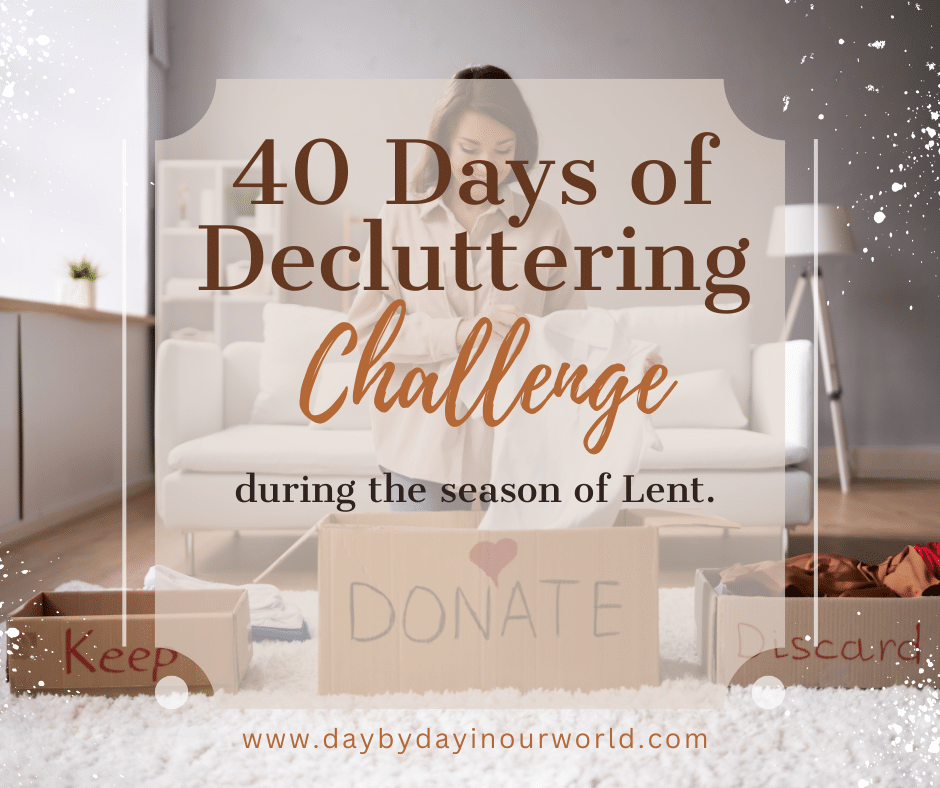
Table of contents
The Purpose of Decluttering During Lent
Decluttering during Lent isn’t just about organizing your home or making space on a shelf. It’s a symbolic act that resonates deeply with the core principles of this sacred season.
By clearing out physical and emotional clutter, we create a more intentional atmosphere for prayer, reflection, and growth. This practice helps transform our outward actions into an internal renewal of faith.
Keep reading to see how this idea connects with Lent on a spiritual and practical level.
What Lent Represents in the Catholic Faith
Lent is a time of spiritual preparation and reflection, observed over 40 days leading up to Easter. In the Catholic faith, it serves as a period to reconnect with our faith, seek penance, and reflect on Christ’s sacrifice.
Historically inspired by Jesus’ 40 days of fasting in the desert, Lent calls believers to reflect on their lives and embrace prayer, fasting, and almsgiving. This season challenges us to step away from distractions and focus on what truly matters—our relationship with God.
This idea of sacrifice and preparing our hearts for Easter ties perfectly to decluttering. As we rid ourselves of material excess during Lent, we’re reminded of Jesus’ humility and encouraged to adopt a spirit of simplicity and gratitude.
For more insights into preparing spiritually during this season, explore Preparing Our Hearts during Lent.

Seeking Him in Lent
Embark on a journey through Lent as we seek to grow closer to Christ.
How Decluttering Mirrors Spiritual Growth
The act of decluttering is more than a physical task—it mirrors the spiritual growth we seek during Lent.
Just as we confess our sins and seek God’s forgiveness, decluttering helps us identify and remove the things in our lives that weigh us down.
These “things” can be unnecessary possessions, unhealthy habits, or even unresolved emotions.
Think about it this way: holding onto clutter prevents us from fully appreciating the space we have, much like holding onto sin or guilt can block our relationship with God.
Decluttering offers a physical representation of spiritual renewal. As we donate unused items or rearrange disorganized spaces, we’re allowing God’s grace to fill the void left behind.
In the same way, fasting during Lent teaches restraint and self-control, decluttering teaches mindfulness and intentional living. When done thoughtfully and prayerfully, it becomes a spiritual practice.
For example, consider pairing your decluttering efforts with moments of gratitude or prayer as you let go of what no longer serves you.
The process can tie in with the idea of Spiritual Warfare, something that is often on my mind.
Setting Intentions for a Simple Life
Decluttering isn’t just a one-time effort—it’s about creating a lifestyle centered on simplicity and purpose.
As Catholics, Lent offers a perfect time to reflect on how we live and align our intentions with our faith. Setting intentions before decluttering allows us to make thoughtful choices that honor God and enrich our lives.
Ask yourself: What values guide me during this season? What spiritual habits can I deepen as I simplify my surroundings?
By setting clear intentions, like dedicating each decluttering session to a prayer or focusing on giving to those in need, you’re not just clearing space—you’re cultivating a heart that seeks God first.
Practices like these help us stay grounded in what matters most.
Whether it’s creating a dedicated prayer corner, organizing your time for daily devotionals, or helping others, each step reminds us of the beauty of a simpler life.
For more inspiration on adding prayer to the season, visit Online Resources for Lent.

Photo by RDNE Stock project
Creating a 40-Day Decluttering Plan
Embarking on a 40-day decluttering journey during Lent can transform not just your physical space but also your spiritual life.
This plan doesn’t only focus on tossing out unnecessary items; it encourages a mindful balance of letting go and reflecting on what truly matters.
By pairing daily decluttering tasks with moments of prayer and time for thoughtful reflection, you’ll create a meaningful, faith-driven path to simplicity.
Breaking Down the Process Week by Week
To make a 40-day decluttering plan manageable, dividing it into weekly milestones works wonders. Each week, focus on specific areas of your home while reserving time for spiritual reflection.
Here’s an example to guide you:
- Week 1: Start with surfaces you interact with daily, like kitchen counters and bathroom vanities. Reflect on how simplicity helps your day-to-day life function smoothly.
- Week 2: Tackle closets and dressers. Spend time considering how much “enough” truly is when it comes to what you wear.
- Week 3: Move onto storage spaces like the pantry or garage. Think about themes of abundance versus needs.
- Week 4: Address sentimental items. Use these tasks as moments to examine emotional ties and practice gratitude.
- Week 5: Declutter shared spaces, such as living rooms or dining areas, while contemplating how you create environments for family connection.
- Week 6: Wrap up by focusing on digital clutter—emails, apps, or old accounts—and enjoy the clarity this brings to your mental space.
Breaking tasks into weekly chunks prevents overwhelm, keeps progress steady, and ensures you stay aligned with your spiritual intentions.
Choosing What to Let Go of Each Day
Deciding what to let go of can come with emotional resistance. Many of us attach memories or “just-in-case” logic to our belongings. To simplify the decision-making process:
- Ask Key Questions: Does this item add value to my life? When did I last use it? Does it align with my faith or values?
- Set Limits: For example, limit yourself to keeping a set number of sentimental items from a specific area. It is hard to truly appreciate things when they have become clutter.
- Focus on Purpose: Consider how items can serve others when donated and imagine the joy they might bring someone else.
Letting go can feel bittersweet, but it creates space for more meaningful connections with God and others.
If you’re inspired by the idea of a structured challenge, learn more about approaches like the 40 Bags in 40 Days Decluttering Challenge.
Incorporating Prayer into the Decluttering Process
Prayer can serve as a powerful tool to guide, strengthen, and focus your decluttering efforts. As you begin each day, ask yourself: What do I need help letting go of? Consider these methods:
- Start each session with a simple prayer for discernment.
- When you release a particularly challenging item, offer a prayer of gratitude for its purpose in your life.
- End your day reflecting on how God is creating new space in your heart and home.
By connecting prayer to decluttering, this process transforms into a spiritually uplifting act, aligning your home and heart with God’s will.
Balancing Physical Tasks and Emotional Release
Decluttering isn’t just physical; it touches the emotional layers of our lives, too. Balancing both aspects prevents burnout and ensures the process remains restorative. Here’s how to approach this balance:
- Daily Time Limits: Set a timer for tasks so you don’t feel consumed by the work.
- Allow Reflection Time: After decluttering, take 5–10 minutes to sit in silence or journal about what you released and how it feels.
- Take Breaks Between Areas: If a specific category, like sentimental items, feels overwhelming, pause before tackling the next space.
- Celebrate Small Wins: Acknowledge the progress you’ve made, no matter how minor it seems.
This balanced approach keeps the process sustainable while offering you space to grow emotionally and spiritually.

Photo by Timur Weber
Taking the time to reflect as you declutter ensures that the process doesn’t just clean your home but renews your spirit, aligning it with Lent’s essence of simplicity and sacrifice.
I have often felt like I am continually trying to get order out of the chaos. As the boys have grown, it has been easier. Although, now I can see most of the remaining clutter is my own.
The Spiritual Side of Decluttering
Lent provides a time not just to clean out our homes but also to address the emotional and spiritual clutter holding us back. Letting go of unresolved feelings, embracing forgiveness, and finding peace in reflection aren’t easy; they take intention and grace.
But by addressing the emotional baggage we carry, we open our hearts to God’s transformative love. This spiritual side of decluttering invites deep renewal.
Identifying Emotional Clutter
Emotional clutter often hides in the darkest corners of our hearts, weighing us down in ways we might not even realize.
Think about unresolved grudges, feelings of guilt, or fears that keep you from fully living. These emotions stack up like physical clutter in a crowded room, leaving little space for joy, peace, or spiritual growth.
Some common types of emotional clutter include:
- Grudges: Lingering resentment can feel like carrying a heavy stone in your pocket every day.
- Guilt: Whether it’s over past decisions or missed opportunities, guilt can subtly erode your self-worth.
- Fear: Fear keeps us rooted in the “what-ifs,” often stopping us from stepping out in faith.
Identifying these patterns is the first step. Write them down, pray about them, and ask God for guidance on how to release what no longer serves you.
For more insights, consider exploring How to Spot Emotional Clutter in Your Life.
Forgiveness as a Key Element
Forgiveness is like spring cleaning for your soul. It clears out resentment and bitterness that take up spiritual real estate. But forgiveness isn’t always easy. It’s not about forgetting or excusing harm; it’s about releasing yourself from the chains of anger and hurt.
Jesus’ teachings on forgiveness challenge us to rise above human instincts and choose grace instead.
When we forgive, we create space for healing and deeper emotional freedom. This can also mean forgiving yourself—a step many forget. Whether it’s forgiving an old friend or letting go of self-blame, each act brings you closer to spiritual peace.
If you’re struggling with this concept, Seeking Forgiveness and Healing During Lent may offer some perspective.

Studies even show that forgiveness positively impacts our health, lowering blood pressure and reducing stress. For more on the health benefits of forgiveness, visit Forgiveness and Your Health.
Using Lenten Sacrifices to Let Go
Lenten sacrifices aren’t just about giving up your favorite coffee or screen time—they’re about intentional surrender. Choosing what to sacrifice each Lent can be a deeply personal act that reflects your journey towards Christ. Why not use this practice as an opportunity to release harmful emotional patterns, too?
For instance, consider “giving up” gossip by focusing on words of kindness. Or perhaps dedicate Lent to overcoming a fear by taking a small step every day in faith. These sacrifices create a ripple effect, subtly reshaping your habits and perspective, which carry on long after Easter.
Remember, Lenten sacrifices are about transformation, not deprivation. They’re a chance to grow closer to God through meaningful discipline.
For helpful guidance, read Will You Give Up or Add to Your Life During Lent?.

Photo by Mikhail Nilov
Finding Peace Through Stillness and Reflection
In the frantic pace of modern life, silence can feel uncomfortable, yet it’s through stillness that we often hear God’s voice most clearly.
Setting aside time for self-reflection during Lent is like hitting a “reset” button for your spiritual life.
Simply sitting with your thoughts, journaling, or practicing meditative prayer can reveal hidden emotional barriers. Questions like “What am I holding onto that no longer serves my journey with God?” can guide this process.
Lent invites us into this quiet space, where we can listen, reflect, and find peace.
You might also find inspiration in creating a “sacred space” at home, even if it’s a small corner with a chair and a Bible. These spaces encourage daily moments to disconnect from worldly distractions and reconnect with your faith.
You can see how simple it can be from an image in Creating Spaces for Spiritual Reflection.
Through stillness, you’ll discover not only clarity but also renewal, making room in your heart for the Easter joy to come.
Practical Tips for Staying Focused on Your Journey
Staying focused during a 40-day decluttering journey can be challenging, especially when life’s demands pull you in multiple directions.
However, by fostering accountability, tracking your progress, and intertwining your efforts with acts of service, you can make the process more meaningful and manageable.
Consider these practical tips to maintain momentum throughout Lent.
Creating a Support System
No one said you have to go it alone. In fact, involving a support system can make the challenge not only easier but also more rewarding. Family members, friends, or even members of your church group can provide both accountability and encouragement as you tackle the decluttering journey one day at a time.
Imagine sharing your goals during a family dinner or Sunday church meeting. By vocalizing your intentions, you’re not just holding yourself accountable—you’re also inspiring others to reflect on what they might let go of during Lent. Some ideas for building your support system include:
- Setting Shared Goals: If you’re embarking on this journey with others, create common daily or weekly milestones.
- Scheduling Regular Check-Ins: Whether it’s a quick text or a phone call, these touchpoints help everyone stay on track.
- Celebrating Successes Together: Marking progress can be as simple as sharing a prayer of thanks or enjoying a post-decluttering coffee chat.
When supported by a group, every act of letting go becomes a ripple in a collective wave of positive changes. For more tips on building community around these efforts, read Helping Others Through Small Sacrifices.
Tracking Your Progress
Keeping track of what you’ve accomplished keeps motivation high and ensures you notice both big wins and subtle shifts.
A simple journal or checklist can be transformative tools for reflecting on your physical and spiritual growth throughout Lent.
- Daily Journaling: Write down what you decluttered that day and how it made you feel. Did that old shirt finally tossed away bring up memories, or did donating extra dishes leave you feeling lighter?
- Checklists with Prayer Points: Create a checklist for every room or category of items and attach a prayer intention. For example, as you organize kitchen cabinets, you might pray for gratitude toward the meals shared in your home.
- Visual Progress Charts: If you’re someone who loves visuals, draw a chart where you can shade in completed tasks. Seeing the progress physically can be incredibly rewarding.
Remember, the focus isn’t just on physical decluttering but also on growing spiritually. Even small steps, like letting go of an old cookbook or taking extra time to reflect on a prayer, add up over 40 days.
Turning Decluttering into a Giving Opportunity
What you declutter doesn’t have to go to waste. In fact, one of the most rewarding parts of this process can be turning your Lenten sacrifices into gifts for someone else. Donating items to those in need transforms decluttering into an act of almsgiving, one of Lent’s pillars.
Consider the joy someone might experience when receiving an item you no longer use but were holding onto unnecessarily. This process goes deeper when combined with thoughtful giving:
- Research Local Charities: Many organizations accept clothing, furniture, and household items. Some even specialize in certain needs, like baby clothes or professional attire for job-seekers.
- Host a Family Giving Day: Involve your kids or spouse by encouraging them to choose items to donate, teaching valuable lessons about compassion and sacrifice.
- Think Beyond Objects: Even setting aside unused gift cards or buying an extra bag of groceries for a food drive can stretch the meaning of your actions.
By viewing your decluttering journey as not just a space-making task but an opportunity for acts of service, you amplify its spiritual impact and extend your efforts to bless others.
For inspiration, read 5 Free Ways to Donate This Holiday Season.

Photo by Los Muertos Crew
By involving others, documenting your progress, and weaving acts of giving into your efforts, staying motivated during your Lenten journey becomes far more attainable. Let each passing day bring you closer to spiritual simplicity and alignment with God’s purpose.
Conclusion
Decluttering for Lent is more than tidying up—it’s a chance to deepen your spiritual journey and embrace simplicity. By intentionally letting go of the physical, emotional, and spiritual clutter, you make space for growth, reflection, and alignment with God’s will.
Take this 40-day challenge with faith and purpose. Whether you focus on decluttering your home or addressing your inner struggles, remember that each step brings you closer to the peace Lent offers.
Let this season remind you that every small act of sacrifice and renewal holds the potential for profound transformation. Start today, and let each day of Lent guide you toward a simpler, more meaningful life.
Seeking Him in Lent
Embark on a journey through Lent as we seek to grow closer to Christ.