Cinco de Mayo: Traditions, History, and Celebrations Explained


Discover the true meaning of Cinco de Mayo—learn its history, real traditions, and how both Mexico and the U.S. celebrate this colorful holiday. Plus, we have several easy recipe suggestions.
Cinco de Mayo sparks excitement every May 5, filling homes and streets with bold colors, music, and the aroma of delicious food.
In the United States, the day has grown into a well-known celebration of Mexican heritage and culture—sometimes with more fanfare than in Mexico itself!
But what’s the real story behind Cinco de Mayo?
Many believe it’s Mexico’s Independence Day, but that’s not true.
Let’s check out the facts, sort the myths from reality, and explore how this holiday brings people together across two countries.
This post contains affiliate links that may generate a commission for purchases made through them. There is no additional charge to you for using them.
Understanding the True Meaning and History of Cinco de Mayo
What does Cinco de Mayo actually honor? The answer is both specific and inspiring.
Cinco de Mayo, or the Fifth of May, commemorates Mexico’s victory over the French at the Battle of Puebla in 1862. This moment stands as a symbol of resilience and unity, especially in the face of tough odds.

It’s not the day Mexico gained independence, and it isn’t Mexico’s national holiday.
The confusion often comes from the fact that this holiday is celebrated with more enthusiasm in the U.S. than in many parts of Mexico.
In reality, Cinco de Mayo holds deep significance for the city of Puebla and those who value its meaning. To learn more about the rich background, Britannica’s detailed page on Cinco de Mayo history and facts provides a helpful overview.
What Cinco de Mayo Really Celebrates
On May 5, 1862, Mexican forces—outnumbered and under-equipped—defeated French troops at the Battle of Puebla. General Ignacio Zaragoza led the Mexican army to an unexpected triumph.
Although France eventually took control of Mexico City, this intense and courageous stand inspired Mexico’s people and shaped its national pride.
Contrary to what many think, Cinco de Mayo is not about independence from Spain—that day is celebrated on September 16.
Instead, the Battle of Puebla represents the spirit of fighting back, especially when the odds seem impossible. For a closer look at the battle’s heroes and historical timeline, check out the overview at Wikipedia’s Cinco de Mayo entry.
It’s easy to see why people confuse these holidays. The name, “Fifth of May,” feels momentous, but it marks a unique military victory, not a complete political separation.
Cinco de Mayo vs. Mexican Independence Day and Day of the Dead
Many in the U.S. mistake Cinco de Mayo for Mexico’s equivalent of the Fourth of July, but they’re separate events with very different backgrounds.
- Cinco de Mayo: Celebrates the 1862 victory at Puebla, mainly honored in Puebla and Mexican American communities.
- Mexican Independence Day: Recognized on September 16, it marks the start of Mexico’s fight for independence from Spain in 1810 (learn more from this resource on the difference between Cinco de Mayo and Mexican Independence Day).
- Day of the Dead (Día de Muertos): Held November 1-2, this holiday remembers loved ones who’ve passed and is full of its own special traditions.
It’s important to keep these celebrations distinct and respect their unique stories. For more insights, see this Britannica article addressing the Independence Day misconception.
How Cinco de Mayo is Celebrated in Mexico and the United States
Cinco de Mayo’s energy isn’t the same everywhere. In Mexico, the celebration centers on Puebla, while in the U.S., it’s a nation-spanning event. Below are the differences.
Traditional Observances in Mexico
In Mexican towns like Puebla, Cinco de Mayo is marked with military parades, historic reenactments, and vibrant local fairs. Families turn out for street festivals, concerts, and markets featuring traditional foods. The reenactment of the Battle of Puebla is a major highlight, often involving schoolchildren and local actors.
The event is solemn but joyful—far from the commercialized fiestas seen in other countries.
Most regions in Mexico treat May 5 as a regular day, with the exception of Puebla and sometimes Veracruz.
American Cinco de Mayo Celebrations
In the United States, Cinco de Mayo shines as a celebration of Mexican heritage, culture, and community spirit. Parades, mariachi performances, and folk dancing fill city streets, especially in places like Los Angeles, Houston, and Chicago.
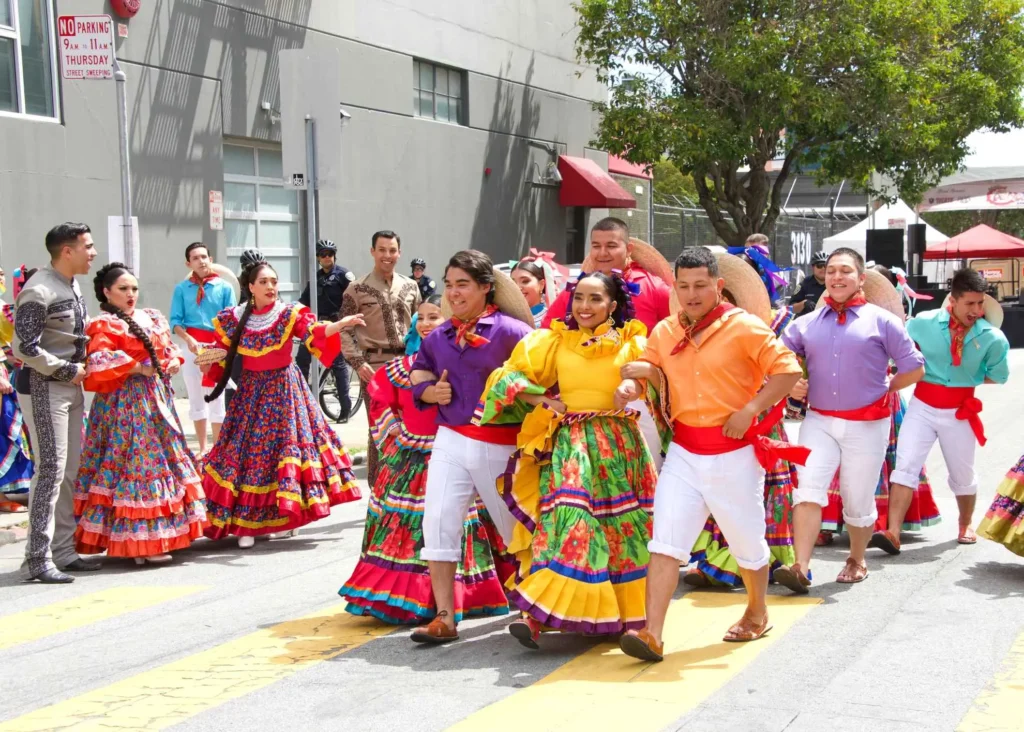
— Photo by Sheilaf2002
American schools often use the day to teach about Mexican history and culture. Cities host family fairs with traditional foods, crafts, and music.
Why is Cinco de Mayo so popular in the U.S.? After the Chicano Movement in the 1960s and 1970s, the day grew into a symbol of Latino pride and inclusion.
This has turned it into one of the year’s most recognized multicultural events. Articles like this one from 49ers.com explore how this happened.
Fun Activities for Kids and Families
Cinco de Mayo can be a joyful learning opportunity for families! Some easy, hands-on ideas include:
- DIY Papel Picado: Make colorful paper banners to hang in your home.
- History time: Share the story of the Battle of Puebla through simple books or fun videos.
- Music & dance: Listen to mariachi or try folk dances as a family.
- Cooking together: Create tacos, quesadillas, or guacamole with kids’ help.
- Art projects: Paint maracas or make tissue paper flowers for the table.
Activities like these not only entertain but also help children connect with another culture in a respectful, joyful way.

Cinco de Mayo Foods, Recipes, and Decorations
Cinco de Mayo would feel incomplete without the delicious food and colorful decor that define Mexican celebration style.
Gathering friends and family around the table or festooned patio is more than a party—it’s a way to keep traditions alive.
Iconic Dishes and Recipes
These classic dishes shine on May 5:
- Mole poblano: This rich sauce blends chocolate, spices, and peppers, and is often served over chicken.
- Tacos: Fillings range from grilled meats to vegetables—topped with fresh salsa and lime.
- Guacamole and chips: Simple but festive, perfect for sharing.
- Elote: Mexican street corn, grilled and topped with cheese, chili powder, and lime.
For at-home celebrations, focus on fresh ingredients and bold flavors.
Consider a build-your-own taco bar for groups. A Taco Tuesday Kit makes it super easy to serve. Or find your favorite Taco holder option. Some are even disposable for quick clean up!
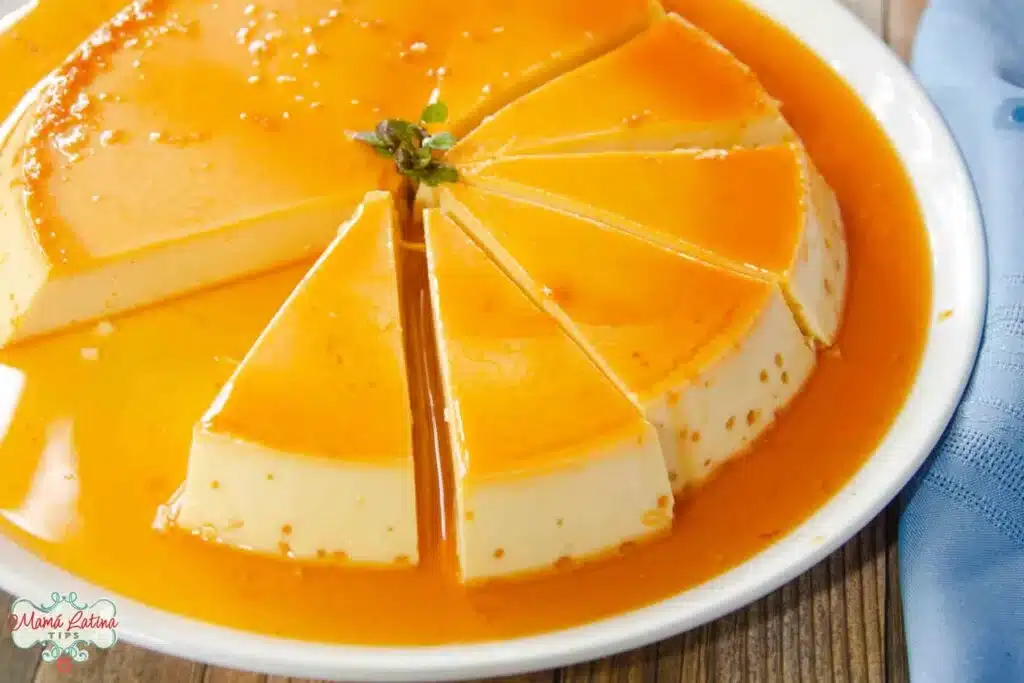
Don’t forget dessert! Silvia’s family recipe for Easy Mexican Flan Recipe (Crème Caramel) would be a perfect way to end your celebration.
More Mexican-Inspired Dishes to Make
Decorating for Cinco de Mayo: Ideas and Inspiration
Transform your space with Mexican-inspired decorations. Popular options include:
- Papel picado: Delicate paper banners with cut-out designs, hung across ceilings or patios.
- Bright tablecloths and napkins: Look for lively colors—reds, yellows, and greens.
- Flower arrangements: Gather sunflowers, marigolds, or paper versions in colorful vases.
- Pinatas: These are a hit with children and look festive—even if you don’t plan to break them! Amazon has fun pinatas available along with neat trinkets to fill ’em up.
Arrange everything with family photos, candles, or pottery to create a cozy, celebratory feel.
Get Ready to Celebrate
Cinco de Mayo is more than a party—it’s a day rooted in bravery, history, and the blending of cultures. Learning the real story behind the holiday helps us respect its origins, steer clear of stereotypes, and celebrate with meaning.
Whether you’re crafting papel picado, cooking mole, or joining a local parade, you’re also taking part in a tradition of unity and pride.
So the next time May 5 rolls around, remember why it matters—and enjoy the chance to celebrate Mexican culture with knowledge and heart.
nice information and good article thank you for creat this article