Backyard Gardening Made Simple: Fresh Food, Family Fun, and Abundant Harvests
Start backyard gardening for fresh food and lasting family fun. Enjoy simple steps that help you grow healthy plants and full garden beds.
Backyard gardening brings so many good things, whether you’ve got a large garden bed or just a few pots on the patio. There’s nothing like picking tomatoes you grew yourself or watching greens push up through the soil you just worked with your own hands.

Besides saving money at the grocery store, you get your hands dirty, muscles moving, and kids outside next to you.
You don’t need a green thumb or a big yard—anyone can start, even if you’re working with containers on a small deck.
It’s a chance to teach kids about where food comes from and spend real time together, not just watching from the sidelines.
Growing your own food also puts less strain on the planet, with fewer trips to the store and less packaging waste.
Whatever your space or skill level, you’re a gardener the moment you plant that first seed.
Choosing the Right Location and Garden Type
Picking a good spot for your backyard garden and deciding on the best setup can change everything.
You don’t want to struggle with stunted tomatoes or wilted lettuce just because your garden is in the wrong place, or you picked a layout that doesn’t fit your life.
The journey starts with a short walk around your yard—coffee in hand, maybe—with a keen eye for what your space already offers.
Evaluating Sunlight, Soil, and Accessibility
Let’s get practical. Plants need sunlight, but how much? Most vegetables love full sun, which means a minimum of six hours of direct sunlight each day.
Grab a notebook and jot down how the sun travels across your yard. Notice shady spots under trees or fences. South-facing spaces usually get the brightest, most consistent sun.
Soil is the next big player. Healthy gardens grow from healthy dirt.
Pick up a handful—does it feel gritty like sand, sticky like clay, or loose and crumbly? Ideal soil drains well but also holds moisture. If your dirt falls short, don’t worry. Almost any soil can be helped with compost or amendments, but it’s good to know what you’re starting with.
Don’t overlook how easy it is to reach your garden. The closer it is to your daily path, the easier it is to water, weed, and harvest.
If your hose can’t reach or you trip over toys and bikes every time you water, you’ll find excuses to skip it. Pick a spot you see often and can get to easily—it helps gardening become a habit, not a chore.

Container, Raised Bed, and In-Ground Gardens
There’s more than one way to garden. Your setup should fit your space, needs, and energy.
Here are the main types, each with their own perks:
- Container Gardens
Perfect for beginners, renters, or those with only a balcony or small patio. Containers can be anything from buckets and pots to repurposed washtubs. They’re easy to move, control, and protect from weather. Just make sure there’s drainage in the bottom and use good potting soil. - Raised Bed Gardens
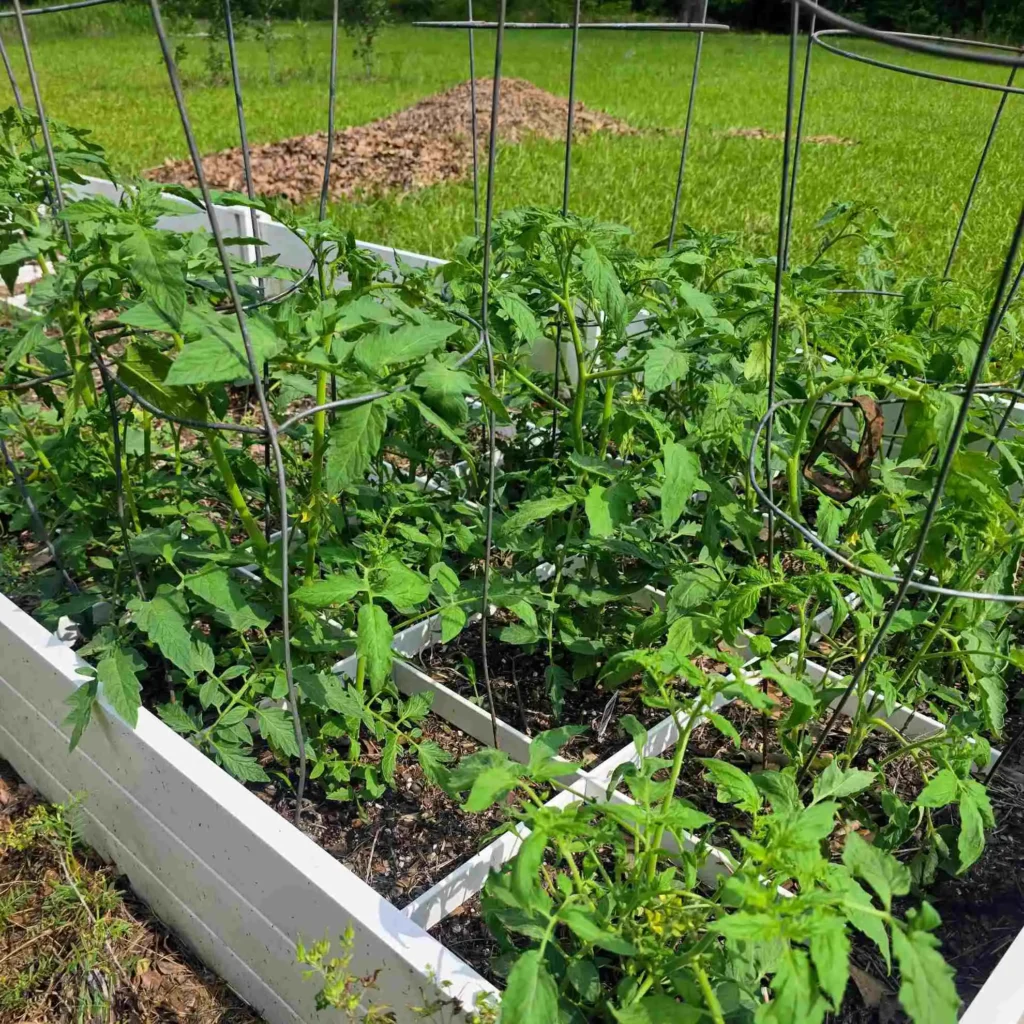
These are garden beds lifted above the ground, usually framed with wood, stone, or even recycled materials. Raised beds give you more control over soil quality, help with drainage, and mean less bending over for planting and harvesting. This is especially good for folks with heavy clay or rocky soil. - In-Ground Gardens
The classic method: dig right into the earth. In-ground gardens work well if your soil is already decent. These beds let roots go deep and are often less expensive to start. The key is picking a weed-free spot and enriching the soil with compost. If you live in a cold climate, it helps to check out resources like these Top Cold Climate Gardening Books for extra tips on prepping your site.
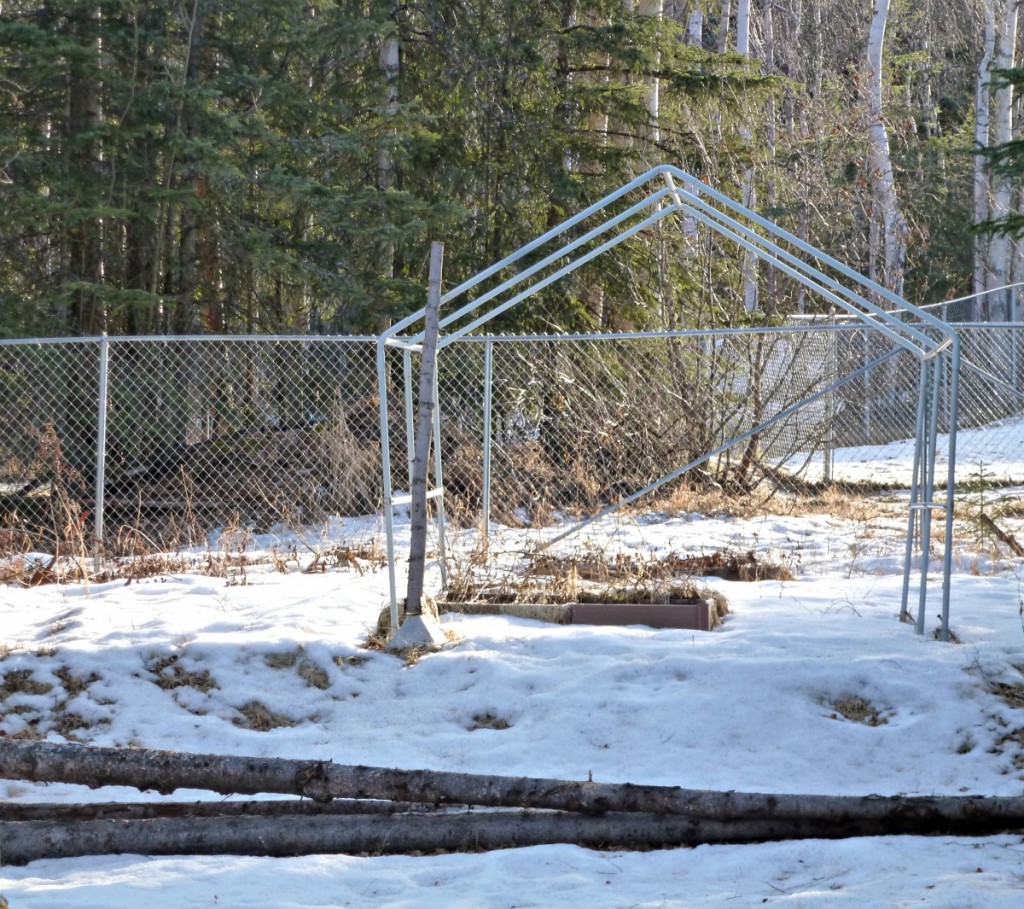
The right garden type often comes down to what makes you feel most excited to step outside and get growing. If you want inspiration for building up your outdoor space or daydream about expanding as you go, get ideas from Outdoor Projects and Warm Weather Ideas. Matching your garden style to your energy and routines is like picking shoes you really want to wear every day—they just fit.
Planning Your Backyard Garden
Getting ready to plant your backyard garden feels a bit like prepping for a big family meal—some thought ahead of time makes everything run smoother.
From the first seed selection to sketching out where your veggies will live, early choices make a real difference in what you’ll be snacking on later.
A well-planned garden isn’t just about pretty rows—it sets you up for less work and better results down the road.
Selecting Suitable Crops for Your Climate
Picking the right plants is half the battle when it comes to backyard gardening. You want crops that match your local weather, not just what looks tempting in a glossy seed catalog.
If you are in the United States, seek out your local extension office. Each county should have one. Do a search for “extension office near me” to find them.
From the office, you can get tons of information about the best things to plant, when to plant them, and what to do about pesky bugs.
Essential Steps for Preparing the Garden
Once you have a sunny spot and a plan sketched out, it’s time to roll up your sleeves and prep the space for planting.
Good garden prep is the difference between struggling with sad sprouts and watching your veggies take off.
Below are the important steps that set up your garden for months of growth.
Soil Preparation and Amendment
Healthy plants start with healthy soil. If you skip this step, you’ll be battling poor growth, pests, and weeds before you know it. The good news? Even rough ground can be rescued with a little elbow grease and some smart additions.
Start by removing any weeds, grass, or rocks from your planting area. You don’t want roots fighting for space or old weeds stealing nutrients.
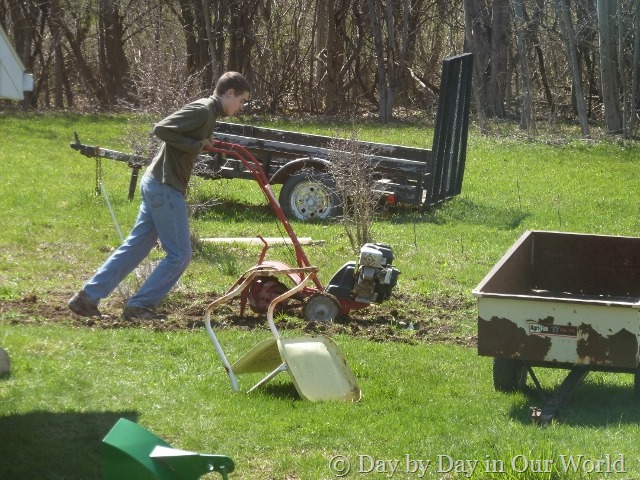
Next, break up the soil with a garden fork or tiller so roots can spread out. If your ground is tough, a shovel and determination work too.
Test your soil, either with a kit from the garden center or using Cooperative Extension resources. The results will guide you on what your garden needs. Most soil benefits from a few key amendments:
- Compost: This is like gold for your garden. Mix in a few inches to add nutrients and boost the soil’s ability to hold water.
- Aged manure: Great for heavy feeders like tomatoes and squash, but make sure it’s well-rotted to avoid burning plants.
- Leaf mold or peat moss: Helps sandy soil retain more moisture and improves texture.
- Lime or sulfur: These balance soil pH if your test shows it’s too acidic or alkaline.
Don’t stress about perfection. Even small changes can make a big difference. Keep notes each year, and you’ll see steady improvement in both your soil and your harvest.
Setting Up Irrigation and Mulching
Good irrigation means less stress for you and your plants. Without reliable water, even the best soil won’t help your garden thrive. You don’t have to buy fancy systems—simple solutions work just fine.
Here are some easy ways to make sure your plants get the moisture they need:
- Soaker hoses: Lay them along your rows, and they’ll gently water right at the roots.
- Drip systems: These work well for both raised beds and containers, letting you control how much each plant gets.
- Watering cans and hoses: These are totally fine for small plots or pots, especially if you want a mindful gardening moment each morning.
Regular watering is especially important in the first few weeks after planting and during dry spells. It’s better to water deeply a few times a week than to sprinkle lightly every day, which just encourages shallow roots.
After watering comes mulching. Mulch isn’t just about making your garden look tidy. It holds in moisture, keeps roots cool, and stops weeds before they start. Spread 2-3 inches of straw, shredded leaves, grass clippings, or wood chips around your plants, but don’t pile it against the stems.
For families with busy days, mulch is a lifesaver—less time spent watering and weeding means more time picking veggies (or just relaxing with an iced tea by the garden). If you want ideas for planning mulch and irrigation chores with your kids, check out tips for homeschooling with outdoor projects, which can include hands-on gardening.
With the soil fixed up and a reliable watering plan, your garden is ready for seeds and plants. This investment upfront rewards you all season—lush growth, fewer weeds, and a lot less stress.
Planting, Maintenance, and Harvesting Tips
Getting plants from seed to plate takes more than good dirt and sunshine. You’ll find your groove as you go, but a few tried-and-true tips can help you set up for success.
Whether you’re tucking seeds into pots or plotting out rows in a raised bed, these steps make each phase of the garden year smoother and more rewarding.
Planting Techniques for Healthy Growth
Start strong by planting at the right depth and spacing. Crowding leads to weak, spindly plants, but too much room can mean wasted space. Check each seed packet or label for guidance. When putting seeds in the ground, keep them moist but not soggy—think of a damp sponge, not a muddy puddle.
Seeds like carrots, beets, and lettuce do best with direct sowing where they’ll grow. Transplants—such as tomatoes or peppers—like a gentle hand and a cloud-covered day for planting so they don’t get shocked by the sun or wind.
If you’re curious about the full process, the Old Farmer’s Almanac has a helpful guide for beginner-friendly planting techniques.
Don’t forget to label your rows with a popsicle stick or plant marker. You’ll thank yourself later when those little green shoots all start to look the same.
Watering, Fertilizing, and Routine Care
Consistent care makes the difference between a jungle of healthy leaves and wilted stems. Aim for deep, less frequent watering rather than daily light sprinkles. This encourages roots to grow down deep instead of hanging out at the surface. A soaker hose or drip line is easy, or water early in the day with a can or hose at the base of each plant.
How to judge moisture: Stick your finger in the soil up to the first knuckle. If it’s dry, it’s time to water.
Regular feeding is next. Simple organic fertilizers work well for most backyard gardens. Compost gives steady nutrition, while a side-dressing of granular fertilizer every few weeks can boost hungry growers like tomatoes or squash. Let the Master Gardeners’ tips on watering and fertilizing guide you through the basics.
Everything grows better with a tidy bed. Pull weeds as soon as they pop up, top up mulch a couple of times during the season, and pinch back herbs to keep them full. Scan leaves and stems often to spot problems early.
Identifying Pests and Organic Pest Control Methods
Backyard gardens naturally attract curious bugs. Not all insects are trouble, but it pays to check leaves for holes, sticky spots, or chewed edges. Slugs and caterpillars munch at night, while aphids cluster on soft new growth.
Don’t panic at the first sign of pests. Many issues can be solved organically:
- Remove bugs by hand (it’s fiddly but effective).
- Encourage ladybugs, birds, and beneficial insects to visit.
- Lay down row covers to keep flying pests out.
- Spray a gentle solution of soapy water for light infestations.
Pruning away damaged leaves and keeping beds clear of dead debris makes it harder for pests to take hold. For more tools, check out these organic pest control strategies for real-life, safer solutions.
Keep a garden journal if you notice repeat pests—timing is everything, and records help you plan defenses next year.
Smart Harvesting for Maximum Yields
Timing matters as much as technique when picking homegrown veggies. Harvest in the cooler part of the day—morning is usually best—since plants are firmest and tastiest then. Most crops are at their peak just before they look fully grown: young zucchini, tender greens, and snap beans all taste sweetest before getting oversized.
Gently twist or snip produce off rather than yanking (to protect the plant for future harvests). Always bring a basket or bucket outside—you’ll probably pick more than you planned.
For specifics on what to pick and when, check the list of best times and methods from Clemson’s vegetable harvesting guide.
Getting familiar with how each crop looks, feels, and smells at its best takes a little practice, but you’ll get the hang of it. Before long, you’ll be gathering buckets of tomatoes, armfuls of herbs, and enough greens to share with friends and family.
If you want to explore more about working with what you harvest, you might enjoy tips for using your backyard bounty in family meals and snacks.
Seasonal Considerations and Expanding Your Garden
When your backyard garden starts feeling like home, you naturally think about what you can plant next—and when. Timing, rotation, and creative use of the seasons help you get more food and more variety without burning out your soil or yourself. The real fun comes when you see how a simple shift in timing or layout can double your harvest, keep bugs at bay, and let you enjoy homegrown veggies beyond just summer.
Seasonal Planting and Crop Rotation
Every plant has its moment. Cool-season crops like lettuce, peas, and radishes want chilly spring and fall, while tomatoes and peppers stretch out during heat waves. When you plant by the seasons, you boost your odds for a bumper crop and spend less time fighting nature’s pushback.
Rotating what you grow—changing up the plant families you put in each spot—matters, too. If you grow tomatoes in the same patch every year, you invite pests and diseases that target them. Plus, some plants pull different nutrients from the soil. Swapping things around keeps your dirt healthier for the long haul.
Here’s a simple way to get started:
- Divide your garden into sections.
- Group plants by family—like tomatoes and peppers (nightshades), beans and peas (legumes), or carrots and beets (roots).
- Move each group to a new section every season.
Gardeners who want to dig deeper into these topics can find more seasonal inspiration in stories about fall gardening and what to plant as the seasons turn. These guides walk you through what to sow as the weather shifts and how to make smart rotations second nature.
Extending the Growing Season and Succession Planting
Wish you had fresh greens when the days grow short, or a steady stream of carrots instead of a one-time glut? With a little planning, you can stretch out the gardening season and keep the harvests coming.
Extensions don’t ask for a greenhouse. Even basic tools—like row covers, cold frames, or old milk jugs—hold in warmth and protect seedlings from frost. For most folks, this means you get to plant earlier in spring and finish later in fall.
Succession planting keeps your garden busy. Instead of popping in all your seeds at once, plant a new batch every couple of weeks. This simple trick lets you:
- Enjoy fresh harvests longer (no more fifty radishes at once!).
- Skip the stress of crops “bolting” or going bad if you miss the perfect picking window.
- Make the most of your space by replanting as soon as a crop finishes.
Start with easy candidates: lettuce, cilantro, spinach, and beets love a second round. When you pull out spent plants, add a little compost and tuck in a fresh seed or transplant.
If you want a family-friendly breakdown of gardening through the full year, see how others garden with kids through spring, summer, and beyond. It’s amazing what even a small space can produce when you plant with the seasons in mind—and keep your soil and schedule moving in step.
Start Backyard Gardening Today!
Starting a backyard garden is the kind of change that sticks with you—in the best way. You gather more than just baskets of vegetables. You pick up new skills, build healthy habits, and spend time with family outdoors. The little wins add up: less grocery shopping, fewer chemicals, and fresh meals right from your own patch.
Don’t wait for perfect conditions or a massive yard. Grab a pot, a sunny corner, or a patch of dirt, and try growing something. Each season brings fresh lessons and plenty of surprises, and there’s always something new to plant or harvest.
Keep experimenting, whether it’s with new crops, smarter watering, or squeezing in a late-season salad bed. For more ways to make the most of every harvest and bring the garden to your table, check out inspiration on using a victory garden to feed your family. Your garden will keep rewarding you long after the last tomato is picked.
If you’ve got tips, stories, or questions, share them below. Every homegrown tomato and muddy kid tells a story worth remembering.